Skip to content

Mindful Matter

Why Avoiding Bad Habits Often Backfires - and What to Try Instead

Why Avoiding Bad Habits Often Backfires - and What to Try Instead

As a new year begins, many of us turn to resolutions with good intentions. We want to be healthier, calmer, more present. But the language we use to define our goals may quietly shape how successful—and how supported—we feel along the way. Psychologists distinguish between two types of goals: avoidance goals and approach goals. Avoidance goals focus on the habits we want to stop or prevent: don’t eat junk food, don’t procrastinate, don’t stay up too late. While common, these goals tend to keep our attention on what’s wrong. Over time, that can make them feel effortful, discouraging, or even self-critical. Approach goals, on the other hand, describe a positive outcome we want to move toward. Instead of avoiding a negative behavior, they invite a nourishing experience. Consider the difference: “I want to reduce my screen time” becomes “I want to spend quality time with a friend each week.” “I need to stop eating junk food” becomes “I want to nourish my body with seasonal foods.” Health psychologist and TED speaker Kelly McGonigal encourages people to word goals as something to strive toward rather than something to resist. When goals are framed positively, they tend to feel more energizing and more aligned with what actually matters to us. There’s also a deeper emotional shift embedded in this reframe. Many resolutions carry an unspoken belief: I need fixing. Approach goals gently replace that narrative with another: I want to invite more of what supports me. That change alone can soften how we relate to growth. A Simple Reflection to Try If you’re setting intentions for the year ahead, try this short exercise: Write down one goal exactly as you’ve been thinking about it. Ask yourself: Is this framed around avoiding something, or inviting something? Rewrite it using the phrase: “This year, I want to invite more…” There’s no need to perfect the wording. Even a small shift can change how an intention feels in your body: from pressure to possibility. When intentions are rooted in invitation rather than self-correction, they often create more room for curiosity, self-trust, and sustainable momentum. Growth doesn’t have to come from fixing what’s wrong; it can begin by welcoming what helps us flourish. At The Flourishing Life by Holstee, we know that small shifts in awareness and intention can have a big impact on your daily well-being. We offer simple practices and insights to help you live with more ease, connection, and meaning—plus a community of kindred spirits to support you on your journey. As a Greater Good Network reader, enjoy $50 off with code GNN50—and step into The Flourishing Life course and community this year.   ___________________________________    Amy Giddon is the Community Steward for The Flourishing Life by Holstee and is passionate about lifelong learning. Her career spans management consulting, brand strategy, and leadership development roles. More recently, she founded and operated a mobile app with the intention of rekindling connection through a daily empathy ritual. Across all her work, Amy seeks to foster a sense of togetherness and shared humanity.

Learn more
10 Powerful Science-Backed Mindfulness Exercises for Anxiety That Actually Work

10 Powerful Science-Backed Mindfulness Exercises for Anxiety That Actually Work

Turn overwhelming anxiety into calm presence with these evidence-based mindfulness techniques that work in real-time. Anxiety doesn't wait for the perfect moment. It shows up before big meetings, during family dinners, in the quiet moments when your mind starts racing. If you've felt your heart pound, your thoughts spiral, your body tense up with worry, you know what it's like.  And you have more power than you might realize. The connection between mindfulness and anxiety is not only real, it's backed by neuroscience. Research from Harvard and Massachusetts General Hospital shows that just eight weeks of mindfulness practice can reduce amygdala reactivity (your brain's stress alarm system) while strengthening connections in the prefrontal cortex (your decision-making center). 10 Evidence-Based Mindfulness Exercises for Anxiety Relief Body-Based Practices: Relax Through Physical Grounding and Tension Release 1. Physiological Sigh: There's a reason why this exercise shows up in almost every list about mindfulness and anxiety. When everything feels overwhelming, this simple breathing technique is super effective at downshifting your nervous system in under a minute: Inhale fully through your nose "Top up" with an extra sip of air Hold briefly, then let out a completely relaxed exhale or “sigh” through your mouth Repeat 2-3 times ✨ Your nervous system naturally uses physiological sighs throughout the day to self-regulate. This practice simply amplifies that innate wisdom. 2. Single-Breath Hum: This technique disperses emotional charge when stress or overwhelm hijacks your system: Inhale a full breath For the first half of your exhale, make a "VOO" sound For the second half, "HUMM" for as long as you can, until your lungs are empty Repeat 5-10 times ✨ Humming creates a 15-fold increase in nitric oxide release, naturally lowering blood pressure and activating your relaxation response. Awareness Practices: Tune Into Your Present Moment 3. Amplify Gravity: When you're anxious and in your head, you're often also unconsciously bracing against gravity. This practice releases that tension by letting gravity do the work: Stand or sit and feel where you contact the floor Imagine gravity is 2-3x stronger, gently drawing you downward Let your shoulders drop and feel the weight of your arms Allow your jaw, eyes, and forehead to soften Take 3-5 deep breaths while maintaining awareness of gravity's pull ✨ Don't force relaxation—just notice where you're holding tension and invite those areas to release. 4. A.P.E. Check-In: Increasing your inner awareness is useful during transitions or if you need to reset.  Set a timer for 5 minutes and check in on these three key areas: (A) Awareness: Notice the quality of your attention—is it narrow or expansive? Focused or scattered? (P) Posture: Scan from tailbone to skull, noting tension and breathing into any areas that need attention (E) Emotion: Observe where emotions live in your body without trying to change them ✨ Over time, you'll build your own "library" of how different situations feel in your body. Emotional Processing: Navigate Feelings with Skill 5. Welcoming Wisdom: When things are feeling uncertain or you are dealing with personal conflict, it can help to access your inner wisdom reliably. Find a quiet place and tune into your body Ask yourself: "What part of me feels activated right now?" Acknowledge any sensations, emotions, or thoughts that arise with: "I see you there, friend." Zoom out to your inner wisdom—the awareness that sees all with loving presence. From this space, ask: "What is true in this moment?" or "What might need to be acknowledged or felt?" ✨ This practice helps remove obstacles to accessing your ever-present internal guide. 6. R.A.I.N.: Difficult emotions are… well, difficult.  It can help to approach them with self-compassion and curiosity using this four-step process developed by meditation teacher Tara Brach: Recognize what's happening in body and mind Allow the experience to be there without trying to change it Investigate with curiosity and care Nurture yourself with self-compassion ✨ Spend 30-60 seconds on each step. Start with mild emotions before working with intense ones. Use a gentle touch (such as your hand on your heart) during the nurture phase. Connection Practices: Find Support and Co-Regulation 7. Three-Breath Hug: If you really want to deepen your connection with a person, try this mindful embrace: Stand facing your partner and make eye contact Move into a full, comfortable embrace Take 3 conscious breaths: notice your body, feel their presence, experience the shared field Allow breathing to naturally synchronize ✨ This releases oxytocin and creates trust through nervous system attunement. 8. Three-Word Check-In: Sharpen emotional awareness and ground conversations by distilling your current state into exactly three words: Briefly scan your body and emotional state (30 seconds) Choose three specific words that capture how you feel Avoid generic terms like "good" or "fine" ✨ This constraint forces clarity and precision. The practice enables conversations and meetings to begin from a connected, grounded place. Reflection Practices: Discover and Integrate Insights for Long-Term Resilience 9. Six-Word Story: Noticing patterns can help you process emotions with this quick daily micro-journaling practice: At the end of the day, tell the story of your nervous system state in exactly six words Example: "Tension rose, breath deepened, peace returned" Practice at the same time daily and review weekly for patterns ✨ This develops concise emotional processing and helps you recognize your energy patterns over time. 10. Worry-Mapping: We’ve all woken up in the middle of the night with our minds racing. This practice reduces worry and late-night rumination by visually organizing your anxious thoughts: Draw a line down the middle of a journal page Left column: Write worries that are under your control Right column: Write worries that are out of your control With each worry, note any sensations it triggers.  Don’t try to problem solve, just download your thoughts. If the worry is under your control, add one action step you can take to change or relieve it. If the worry is outside of your control, take a deep breath and release it with a full exhale and sigh. ✨ Practice at a consistent time—late afternoon is recommended. Research shows that regular practice reduces nighttime rumination.. Making Mindfulness Stick The most effective practices are the ones you'll actually use. Consistency matters more than duration: five minutes daily beats an hour once a week. Start with one technique that feels manageable. Maybe the Physiological Sigh during your morning coffee, or a Three-Word Check-In before bed. Some days, a practice will shift everything; other days, nothing feels like it helps. That's normal—you're not doing it wrong. Match it to the moment. Body-Based practices work well during high-stress workdays, Emotional Processing techniques help when you're dealing with big feelings, and Connection practices ease loneliness. Put prompts where you'll see them: a note on your computer, cards on your desk, a reminder on your phone. Catch stress before it builds. And pay attention to which practices shift something in you. Your body knows what it needs. The Science Behind Mindfulness and Anxiety Mindfulness literally changes your brain's relationship to anxiety. A 2023 meta-analysis published in Frontiers in Public Health found that mindfulness-based interventions significantly improved anxiety, depression, and stress among university students. Another recent systematic review showed that mindfulness practices reduce amygdala reactivity and improve emotional regulation through measurable brain changes. When you practice regularly, you strengthen neural pathways that promote calm while weakening the ones that keep anxiety loops running. You also improve your interoception (your ability to sense what's happening in your body), which helps you notice stress before it takes over. Mindfulness isn't about eliminating anxiety. It's about changing your relationship to it. Instead of being swept away by anxious thoughts and feelings, you learn to be the calm center that can hold whatever arises. Your Next Step: Build a Personal Toolkit Your nervous system is unique—shaped by your life, your experiences, and what helps you feel safe. The most effective approach to anxiety is having multiple pathways to calm, not just one. The ten practices in this article come from Calm Cards, a deck of 45 evidence-based regulation techniques we created with nervous system expert Jonny Miller. They're organized into the same five categories you just experienced: Body, Awareness, Emotions, Connection, and Reflection. Physical cards mean you can keep them on your desk for quick resets, pull one when you're not sure what you need, share them with your partner or kids, or build your own combinations.  You're not locked into any single approach—some days you'll need the Physiological Sigh, other days you'll need to process emotions with R.A.I.N., and sometimes you just need someone to do a Three-Breath Hug with you. The goal isn't to never feel anxious. It's to move through it with more ease. Every time you pause to practice in the middle of anxiety, you're teaching your system something new about how to regulate. Ready to build your mindfulness toolkit? Calm Cards offers 45 evidence-based practices designed specifically for real-world stress and anxiety. Created with nervous system expert Jonny Miller, these portable tools help you shift from overwhelm to calm—wherever you are, whenever you need it.

Learn more
The 7 Best Journaling Apps of 2025: Ultimate Comparison Guide

The 7 Best Journaling Apps of 2025: Ultimate Comparison Guide

Table of Contents Introduction: Why Digital Journaling Matters Best Journaling Apps Compared Reflection (Our pick for best AI-Enhanced Journaling App) Day One (Runner up!) Journey Diarly Penzu Daylio (Best for Mood Tracking) Apple Journal Feature Comparison Chart How to Choose the Right Journaling App The Science Behind Journaling Getting Started with Digital Journaling Conclusion FAQs About Journaling Apps Introduction: The Digital Evolution of Reflection At Holstee, we've long championed the power of mindful reflection. For centuries, people have turned to paper journals to process thoughts, document experiences, and nurture personal growth. Today, digital journaling apps have transformed this ancient practice, offering new possibilities for consistency, insight, and connection with our inner selves. The right journaling app can become a trusted companion on your mindfulness journey—a digital space where you can pause, breathe, and make meaning of your experiences. But with countless options available, how do you find the one that truly resonates with your needs? In this comprehensive guide, we'll explore the best journaling apps of 2025, examining their unique strengths and helping you discover which might best support your reflection practice. Why Digital Journaling Matters Before diving into specific recommendations, let's consider why digital journaling has become such a powerful tool for mindful living: Accessibility: Your journal is always with you, ready whenever inspiration or reflection calls Consistency: Gentle reminders and cross-device access make maintaining a regular practice easier Multimedia Expression: Integrate photos, voice notes, and even location data to enrich your entries Searchability: Easily revisit past reflections and discover patterns in your journey Guidance: Many apps offer prompts and exercises based on psychological principles Security: Private thoughts can be protected with encryption that paper journals can't match As with any mindfulness practice, the best approach is the one you'll actually maintain. Digital journaling removes many barriers that often disrupt consistent reflection. The 7 Best Journaling Apps of 2025 After extensive testing and consideration of various journaling styles, we've identified seven standout apps that excel in different aspects of the digital journaling experience. 1. Reflection: Best AI-Enhanced Journaling App for Mindful Growth Platform Availability: iOS, Android, macOS, Web Best For: AI-enhanced personal growth with thoughtful guidance Key Features: AI-enhanced journaling companion that provides personalized insights 100+ expert-crafted journaling guides for various life situations Voice-to-text functionality for spoken reflection Advanced AI-powered search and pattern recognition in past entries Rich text and photo support Seamless sync across all devices Quick templates and gentle reminders Privacy: AES-256 encryption at rest, TLS 1.2+ in transit Pricing: Free basic version; Premium subscription unlocks all features Why We Love It: Reflection holds a special place in our hearts—it actually began as an internal project within Holstee, created for our members before growing into its own company due to overwhelming positive response. What truly sets Reflection apart is its thoughtful AI-enhanced capabilities. Unlike basic journaling apps that simply store your entries, Reflection's AI-enhanced technology transforms how you interact with your past reflections. You can use natural language search to find specific moments or themes ("times I felt proud last year"), receive AI-generated prompts that encourage deeper exploration of recurring patterns, and gain insights that connect the dots across your personal journey. The AI-enhanced features don't just organize your entries—they help you learn and grow from past challenges, gently guiding you to more meaningful insights without feeling technical or intrusive. This creates a uniquely powerful tool for personal growth that balances technological innovation with the intimate, human nature of journaling. Reflection embodies the mindful approach to journaling that we value at Holstee. It balances AI-enhanced innovation with thoughtful design, creating a space that feels both intimate and expansive. 2. Day One: Best for Traditional Digital Journaling Platform Availability: iOS, Android, macOS Best For: Traditional journaling with rich media integration Key Features: Multiple journals in one app Photo, audio, and location integration Calendar view and On This Day memories Tags and search functionality Templates for different journaling styles Privacy: End-to-end encryption Pricing: Free basic version; Premium subscription for advanced features Why We Love It: Day One has been refining the digital journaling experience for years. Its clean interface and thoughtful organization make it perfect for those transitioning from paper journals. While it lacks the guided reflection focus and AI-enhanced insights of apps like Reflection, it excels at capturing life's moments with context and clarity. 3. Journey: Best for Cross-Platform Flexibility Platform Availability: iOS, Android, macOS, Windows, Web, Chrome OS Best For: Users who switch between multiple platforms Key Features: Available on virtually every platform Timeline view of entries Atlas feature for location-based memories Templates and mood tracking Markdown support Privacy: Standard encryption, password protection Pricing: Free basic version; Premium tier for advanced features Why We Love It: Journey's greatest strength is its ubiquity—no matter what device you're using, your journal is there. This accessibility removes a common barrier to consistent practice. Its interface prioritizes simplicity, making it approachable for new digital journalers. 4. Diarly: Best for Privacy-Focused Users Platform Availability: iOS, macOS Best For: Apple users concerned with maximum privacy Key Features: Offline-first approach Markdown support Folder organization Calendar and timeline views Customizable templates Privacy: Local storage option, end-to-end encryption, no account required Pricing: Free version with basic features; one-time Pro purchase Why We Love It: In our increasingly connected world, Diarly offers a refreshing focus on privacy. Its offline-first approach ensures your most personal reflections remain truly personal. The clean, distraction-free writing environment creates a digital sanctuary for your thoughts. 5. Penzu: Best for Security-Focused Journaling Platform Availability: iOS, Android, Web Best For: Users prioritizing security and password protection Key Features: Military-grade encryption Custom passwords for individual entries Rich text editor Email reminders Customizable journal covers Privacy: 256-bit encryption, double password protection Pricing: Free with basic features; Pro and Pro+ paid tiers Why We Love It: Penzu takes security seriously with its double password protection system and military-grade encryption. While it lacks the AI-enhanced capabilities of Reflection, its straightforward approach to secure journaling has made it a longstanding favorite for privacy-conscious users. 6. Daylio: Best for Visual Mood Tracking Platform Availability: iOS, Android Best For: Visual mood tracking with minimal writing Key Features: Quick mood and activity logging Detailed statistics and patterns Goal tracking No writing required (though notes can be added) Customizable moods and activities Privacy: Passcode protection, optional backup Pricing: Free with ads; Premium removes ads and adds features Why We Love It: Daylio reimagines journaling for those who find traditional writing challenging. Its visual approach to tracking moods and activities creates a colorful map of your emotional landscape over time. This accessibility makes mindful reflection available to different learning and expression styles. 7. Apple Journal: Best Native Option for Apple Users Platform Availability: iOS Best For: Apple ecosystem users wanting a simple, integrated solution Key Features: Deep integration with Apple ecosystem Suggestions based on photos, workouts, and locations Simple media integration Reflection prompts Private and secure Privacy: On-device processing, end-to-end encryption Pricing: Free (included with Apple devices) Why We Love It: Apple's native Journal app brings mindful reflection to millions of users through its seamless integration with the devices they already use. While not as feature-rich as dedicated apps, its simplicity and privacy focus align with our belief that reflection should be accessible to everyone. The Holstee Approach to Journaling At Holstee, we believe the most powerful journaling practice combines three essential elements: Intention: Beginning with purpose rather than simply recording events Reflection: Looking beyond surface experiences to find deeper meaning Growth: Using insights to inform mindful action in your life The best digital journaling app is one that supports these elements while fitting naturally into your life. For many, this means different apps for different seasons or purposes. AI-Enhanced Journaling: The Next Evolution While all digital journaling offers advantages over paper, AI-enhanced journaling represents the next evolution of this ancient practice. Reflection pioneered this approach, using artificial intelligence not to replace the human element of journaling, but to amplify it. What makes AI-enhanced journaling transformative: Natural Language Search: Find entries by describing what you're looking for ("times I felt anxious about work" or "moments of gratitude with family") Pattern Recognition: Discover recurring themes and connections you might miss on your own Deeper Prompts: Receive questions that respond to your unique patterns and challenges Growth-Oriented Insights: Learn from past experiences through gentle guidance that connects past entries to present situations Unlike basic search functions in traditional apps, these AI-enhanced capabilities create a dynamic relationship with your journal that evolves as you do—all while maintaining strict privacy standards. Feature Comparison: Finding Your Perfect Match App AI Enhancement Guided Reflection Cross-Platform Privacy Media Support Mindfulness Focus Price Reflection  ★★★★★ ★★★★★ ★★★★☆ ★★★★☆ ★★★☆☆ ★★★★★ Free / Premium Day One ★☆☆☆☆ ★★☆☆☆ ★★★☆☆ ★★★★★ ★★★★★ ★★★☆☆ Free / Premium Journey ★★☆☆☆ ★★★☆☆ ★★★★★ ★★★☆☆ ★★★★☆ ★★★☆☆ Free / Premium Diarly ☆☆☆☆☆ ★★☆☆☆ ★★☆☆☆ ★★★★☆ ★★★☆☆ ★★☆☆☆ Free / Pro Penzu ☆☆☆☆☆ ★★☆☆☆ ★★★☆☆ ★★★★★ ★★☆☆☆ ★★☆☆☆ Free / Pro Daylio ★★☆☆☆ ★★☆☆☆ ★★★☆☆ ★★★☆☆ ★★☆☆☆ ★★★☆☆ Free / Premium Apple Journal ★★☆☆☆ ★★★☆☆ ★★☆☆☆ ★★★★☆ ★★★★☆ ★★★☆☆ Free Choosing Your Digital Reflection Space Finding the right journaling app is a personal journey. Consider these questions as you explore your options: What's Your Primary Purpose? AI-Enhanced Personal Growth: Reflection Life Documentation: Day One or Apple Journal Mood Understanding: Daylio Creative Expression: Day One or Journey Maximum Security: Penzu or Reflection What's Your Journaling Style? Guided Reflection: Reflection Free Writing: Day One or Reflection Mood Tracking: Daylio Multimedia: Day One or Journey What Matters Most to You? AI-Enhanced Insights: Reflection Privacy: Reflection, Apple Journal, Day One or Penzu Cross-Platform: Reflection or Journey Beautiful Design: Reflection or Apple Journal Simplicity: Apple Journal or Reflection The Science of Journaling: Why It Works The benefits of regular journaling are well-documented by research: Emotional Processing: Expressive writing helps process difficult emotions and reduce rumination Stress Reduction: Regular journaling can lower cortisol levels and improve immune function Clarity and Insight: Writing thoughts down externally helps organize them internally Goal Achievement: Reflecting on progress increases motivation and focus Gratitude Cultivation: Intentional appreciation journaling increases overall life satisfaction Digital journaling enhances these benefits through consistency, searchability, and guided reflection that paper journals often can't provide. AI-enhanced journaling takes these benefits further by helping you discover connections and insights that might otherwise remain hidden. Starting Your Digital Journaling Practice Ready to begin your digital reflection journey? Here are our recommendations for success: Start with intention: Define what you hope to gain from your practice Start small: Even 5 minutes of focused reflection is valuable Create a ritual: Link journaling to an existing habit like morning coffee Embrace imperfection: Your journal is for you alone—no need for polished prose Experiment with formats: Try different prompts, free writing, and media integration Review periodically: Schedule time to look back at past entries and notice patterns Remember that journaling is a practice, not a performance. The most meaningful insights often come from consistent, honest reflection rather than perfectly crafted entries. Here are more tips on how to start and keep your new journaling habit. Conclusion: Your Journey Awaits In a world of constant distraction, creating space for reflection is a radical act of self-care and growth. The right digital journaling app can be a powerful ally in this practice, offering both structure and freedom for your unique reflection journey. We're particularly proud of Reflection—the leading AI-enhanced journaling app that began within our Holstee community before growing into its own company. Its thoughtful approach to AI-enhanced journaling represents what we believe is the future of meaningful digital reflection: technology that amplifies human insight rather than replacing it. That said, any of these seven apps can support a meaningful practice. The most important factor is finding a tool that resonates with you and fits naturally into your life. Remember, the journey of self-discovery unfolds one reflection at a time. Which digital space will hold yours? Frequently Asked Questions What is the best journaling app in 2025? Reflection stands out as the best overall journaling app for 2025, particularly for those seeking AI-enhanced insights and guided reflection. Its combination of thoughtful AI integration, cross-platform availability, bank-level security, and expert-crafted guides makes it the most comprehensive journaling solution available. What makes AI-enhanced journaling different from regular digital journaling? AI-enhanced journaling apps like Reflection use artificial intelligence to help you discover patterns in your entries, provide personalized prompts based on your writing, and enable natural language search to find specific moments or themes. This creates a more dynamic and insightful journaling experience while maintaining strict privacy standards. How is digital journaling different from social media posting? Digital journaling is private, reflective, and focused on personal insight rather than external validation. Unlike social media, journaling apps prioritize depth over breadth and privacy over sharing. Can digital journaling replace therapy or counseling? While journaling offers significant mental health benefits, it complements rather than replaces professional support. Many therapists actually recommend journaling as a supplementary practice between sessions. How often should I journal for maximum benefit? Research suggests consistency matters more than frequency or duration. Even brief, regular entries (3-5 times weekly) show significant benefits for wellbeing and insight. What if I'm not a good writer? Journaling is about reflection, not literary merit. AI-enhanced apps like Reflection offer guided prompts to ease the process, while Daylio provides visual alternatives to traditional writing. Is it worth paying for premium features in journaling apps? Premium features often remove the friction points that disrupt consistent practice—like ads, storage limitations, or restricted prompts. Consider the free version first, then upgrade if you find value in the additional features.  Last updated May 7, 2025.

Learn more
An Introduction to Nonviolent Communication

An Introduction to Nonviolent Communication

Nonviolent Communication (NVC) is a powerful tool that can transform our relationships and the way we communicate with others. By embracing NVC principles and techniques, we can create a more peaceful and harmonious world. In this article, we will explore the concept of Nonviolent Communication, its key principles, the role of empathy, the language of nonviolence, its impact in personal relationships and the workplace, and how to overcome challenges in practicing Nonviolent Communication. Understanding the Concept of Nonviolent Communication Nonviolent Communication is a philosophy and a way of life that was developed by Marshall Rosenberg. It is based on the idea that all human beings have the capacity for compassion and empathy, and that violence and aggression arise from unmet needs. NVC aims to create a connection between people by fostering empathy, understanding, and a shared humanity. The Philosophy Behind Nonviolent Communication At the heart of Nonviolent Communication is the belief that every person's needs are equally important and that conflicts can be resolved through compassionate dialogue. NVC encourages individuals to focus on their own needs and the needs of others without blame or judgment. By embracing this philosophy, we can create a foundation for authentic and meaningful connections. Key Principles of Nonviolent Communication There are four key principles that form the foundation of Nonviolent Communication: 1. Observation: Nonviolent Communication emphasizes the importance of observing and describing the facts without evaluation or interpretation. 2. Feeling: NVC encourages individuals to identify and express their feelings, as well as acknowledging the feelings of others. 3. Need: Recognizing our needs and the needs of others is crucial to understanding our motivations and finding common ground. 4. Request: Nonviolent Communication encourages making requests rather than demands, fostering cooperation and mutual understanding. By practicing Nonviolent Communication, individuals can cultivate a greater sense of self-awareness and empathy. This allows for more effective communication and the ability to navigate conflicts with compassion and understanding. Through the process of observation, individuals can develop a deeper understanding of the underlying causes of conflicts, enabling them to address the root issues rather than simply reacting to surface-level disagreements. Furthermore, Nonviolent Communication promotes a shift from a mindset of blame and judgment to one of curiosity and empathy. By focusing on needs rather than assigning fault, individuals can create an environment of mutual respect and understanding. This approach encourages active listening and open dialogue, fostering a sense of connection and shared humanity. Step 1: Share Your Observation The first step of nonviolent communication is to simply make an observation.  What is an NVC observation? It’s a concrete description of what you perceive through your senses without any evaluation, judgment, or interpretation. 🚧 Don’t confuse an observation with a strategy. One of the hardest parts of NVC is holding back from communicating a strategy. In NVC, strategies are action-oriented statements that often imply judgment. Observations are factual, specific, non judgemental, and time-bound. Here are side-by-side examples of strategies and observations: ❌ Strategy: "You need to fill up the car's gas tank now."✔️ Observation: "I see that the car's gas tank is almost empty." ❌ Strategy: “You always miss deadlines."✔️ Observation: "The project deadline was missed by two days." ⚡️Tip: When making an observation, it’s best to avoid words like ‘always’ or ‘never’ and instead focus on a specific behavior or situation. Step 2: Say What You are Feeling After sharing your observation, the second step in NVC is to express the feeling you experience as a result. Dr. Rosenberg emphasizes the importance of distinguishing feelings from pseudo feelings (thoughts or evaluations): "When we use the verb 'to feel' followed by a phrase that begins with 'that,' we are no longer talking about a feeling, but about a thought." Instead, it's essential to express feelings using words that directly describe our emotions, such as "sad," "joyful," "frustrated," or "scared." This clarity helps facilitate mutual understanding and empathy. Step 3: Express Your Need The third component of NVC is expressing needs. In NVC, a need refers to a universal human requirement we all share, such as connection, respect, autonomy, security, and peace. Here are some tips for expressing needs effectively: 1. Use simple, one-word needs such as "understanding," "support," "autonomy," or "physical nourishment." 2. Avoid expressing needs as strategies or specific requests. This is a common mistake which can lead to misunderstandings or resistance. For example, saying, "I need you to call me more often," is a specific request, not a need. Instead, the underlying need could be expressed as "I need connection" or "I need to feel valued in our relationship." 3. Expand your self-awareness and improve your understanding of universal human needs. See the resources below for a list of over 30 universal needs. 4. Remember that needs are shared human experiences, not specific to individuals or situations. Step 4: Make a Request (Not a Demand) After observing without judgment, identifying feelings, and articulating needs, the fourth and final component of the NVC framework is to make a request. This is how we suggest an actionable step to address our needs. The request should use positive, specific language that indicates the specific action we would like to be taken rather than what we don’t want. 🚧 Caution — Express requests, not demands. Requests come from a place of empathy and collaboration, not ultimatums. Below are two side-by-side comparisons: ❌ Demand: "You must call me every night."✔️ Request: "Would you be willing to call me tonight before bed?" ❌ Demand connected to a need: "You need to stop canceling on me." ✔️ Request: "Could we schedule a time to meet that works for you, and would you let me know at least a day in advance if plans need to change?" The Role of Empathy in Nonviolent Communication  Empathy is a fundamental component of Nonviolent Communication. It is the ability to understand and share the feelings of another person. By building empathy, we can create deeper connections and cultivate an environment of trust and understanding. Empathy goes beyond just listening to someone; it involves truly putting yourself in their shoes and experiencing the world from their perspective. This deep level of understanding can transform relationships and resolve conflicts in a more meaningful way. Building Empathy Through Active Listening Active listening is a core skill in Nonviolent Communication. It involves fully focusing on the speaker, paying attention to their words, body language, and emotions. By actively listening, we can validate the speaker's experiences and foster empathy. Active listening also includes reflecting back what the speaker has said to ensure understanding. This reflective practice not only shows that you are engaged in the conversation but also helps the speaker feel heard and valued. Empathy vs. Sympathy in Communication While empathy and sympathy are often used interchangeably, they have different meanings. Empathy involves understanding and sharing the feelings of others, whereas sympathy is feeling pity for someone's situation. NVC emphasizes empathy over sympathy as it creates a deeper connection and promotes understanding. Empathy in communication requires a genuine effort to connect with others emotionally, whereas sympathy can sometimes create a sense of distance between the parties involved. By fostering empathy through Nonviolent Communication, individuals can build stronger relationships based on mutual respect and understanding. The Language of Nonviolence The words we use have a profound impact on our ability to communicate and connect with others. In Nonviolent Communication, language is considered a powerful tool to express our needs and emotions in a way that fosters empathy and understanding. Nonviolent Communication, also known as NVC, was developed by Marshall Rosenberg in the 1960s. It is based on the idea that all human beings have the capacity for compassion and empathy. NVC emphasizes active listening, empathy, self-expression, and the use of language to resolve conflicts peacefully. Identifying and Expressing Feelings In Nonviolent Communication, it is essential to be aware of our own feelings and to express them honestly. By effectively communicating our emotions, we enable others to understand us better and create space for compassionate dialogue. When identifying and expressing feelings, NVC encourages individuals to use "I" statements to take ownership of their emotions. For example, instead of saying, "You make me feel angry," one could say, "I feel frustrated when this happens." This shift in language helps to avoid blaming others and promotes personal responsibility. Making Requests vs. Making Demands Nonviolent Communication encourages making requests rather than demands. A request is a sincere expression of our needs, while a demand can create conflict and resistance. By making requests, we invite collaboration and focus on finding mutually beneficial solutions. Requests in NVC are specific, actionable, and considerate of the other person's needs. They are framed in a way that allows the other party to respond willingly, rather than out of obligation or fear. This approach fosters a sense of partnership and cooperation, leading to more harmonious relationships and effective problem-solving. The Impact of Nonviolent Communication Nonviolent Communication has a profound impact on both personal relationships and the workplace. By embracing NVC principles, we can foster healthier and more fulfilling connections with others. Nonviolent Communication, often abbreviated as NVC, is a communication approach developed by Marshall Rosenberg. It is based on the idea that all human beings have the capacity for compassion and empathy. NVC focuses on expressing feelings and needs, rather than placing blame or judgment. This approach aims to create a safe space for open and honest dialogue, where individuals can truly understand each other. Nonviolent Communication in Personal Relationships In personal relationships, Nonviolent Communication can transform conflicts into opportunities for understanding and growth. By actively listening, expressing needs, and making requests, we can create a supportive and caring environment. When practicing NVC in personal relationships, individuals learn to communicate with empathy and authenticity. This leads to deeper connections, increased trust, and a sense of mutual respect. By acknowledging and validating each other's feelings and needs, conflicts are less likely to escalate into destructive arguments. Instead, NVC encourages partners to work together towards finding mutually satisfying solutions. Nonviolent Communication in the Workplace Nonviolent Communication also has significant applications in the workplace. By practicing NVC, colleagues can enhance teamwork, resolve conflicts, and improve communication. This leads to increased productivity and a more positive work environment. Implementing NVC in the workplace fosters a culture of understanding and collaboration. When employees feel heard and valued, they are more motivated to contribute their best work. By encouraging open dialogue and empathy, NVC can help resolve conflicts peacefully and build stronger relationships among team members. This ultimately creates a harmonious work environment where individuals feel supported and respected. Overcoming Challenges in Nonviolent Communication  While Nonviolent Communication is a powerful tool, it is not without its challenges. However, with practice and dedication, these challenges can be overcome. Dealing with Negative Emotions One of the challenges in Nonviolent Communication is dealing with negative emotions effectively. By acknowledging and expressing our feelings in a compassionate manner, we can create space for understanding and resolution. It is important to recognize that negative emotions are a natural part of the human experience and should not be suppressed. In Nonviolent Communication, we are encouraged to embrace our emotions with empathy and understanding, allowing us to address the root causes of our feelings and communicate them in a way that promotes connection rather than conflict. Navigating Difficult Conversations Difficult conversations can be challenging, but Nonviolent Communication provides a framework to navigate them effectively. By embracing empathy, active listening, and seeking understanding, we can transform challenging conversations into opportunities for growth and connection. When faced with a difficult conversation, it is essential to approach it with an open mind and a willingness to listen. Nonviolent Communication teaches us to suspend judgment, cultivate curiosity, and create a safe space for all parties to express their thoughts and emotions freely. By practicing these principles, we can foster mutual respect and understanding even in the midst of conflict. In conclusion, Nonviolent Communication is a powerful approach to communication that can enhance our relationships, foster empathy, and create a more peaceful world. By understanding the concept, embracing the key principles, utilizing the language of nonviolence, and recognizing its impact, we can overcome challenges and cultivate more compassionate connections with others.

Learn more
Gratitude Cards: Appreciate this Moment

Gratitude Cards: Appreciate this Moment

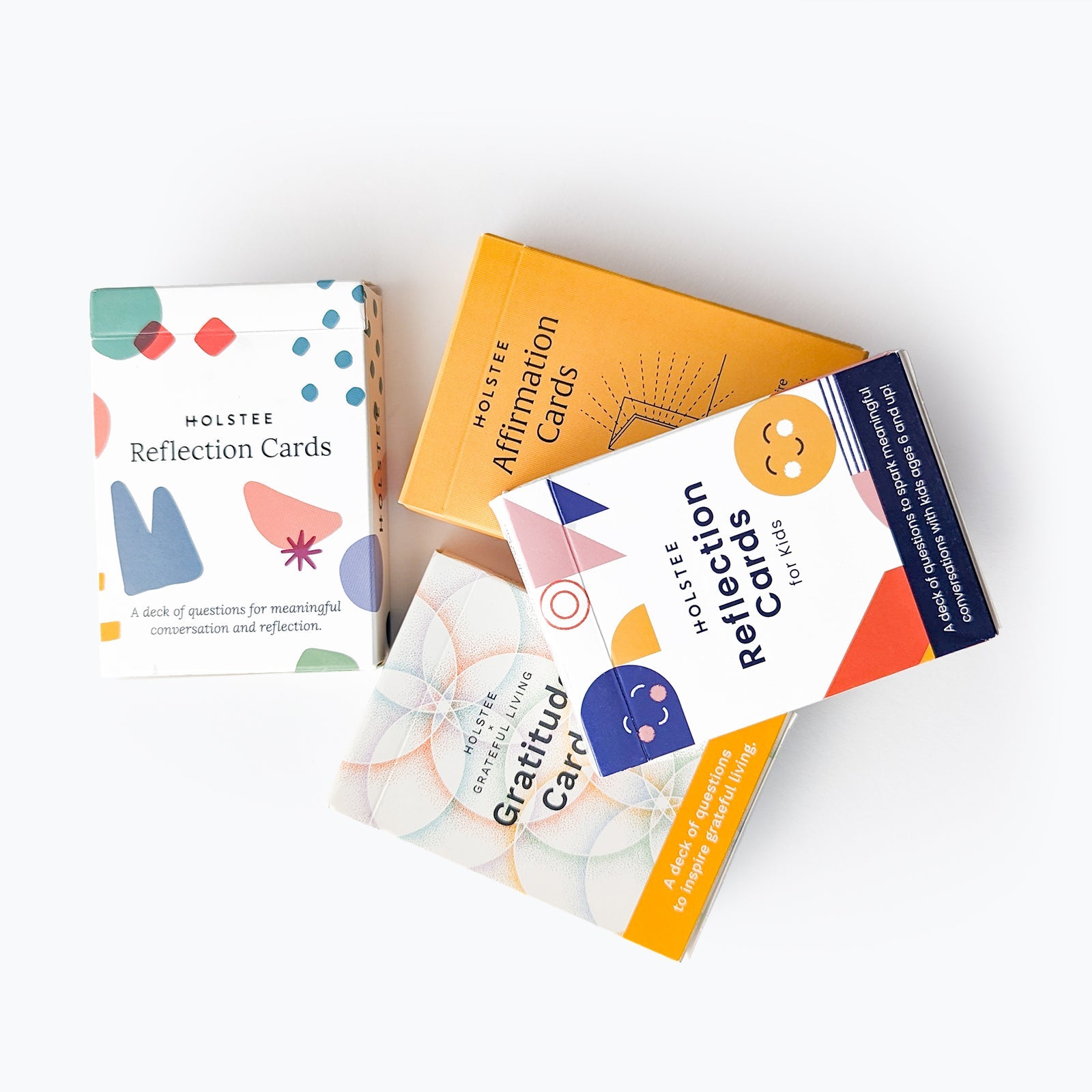
Gratitude cards have become increasingly popular in recent years as a way to express appreciation and acknowledge the value others bring to our lives. In this ultimate guide, we will explore the importance of gratitude cards, the different types available, how to craft your own, how to write meaningful messages, and when and how to give them. Understanding the Importance of Gratitude Cards Gratitude is more than just a polite gesture; it profoundly impacts our well-being and relationships. Research has shown that expressing gratitude can improve our mental and physical health, enhance empathy, and strengthen social connections. The Psychology Behind Gratitude At its core, gratitude is an emotional response to feeling thankful for someone or something. It activates positive emotions and creates a sense of happiness, contentment, and fulfillment. By practicing gratitude regularly, we can increase our overall sense of well-being. Gratitude is not just about saying "thank you" in passing; it is about truly acknowledging and appreciating the kindness, support, or generosity in your life. When we take the time to reflect on the positive aspects of our lives and express gratitude for them, we are actively cultivating a mindset of abundance and positivity. Photo by Joel Muniz The Impact of Gratitude Cards on Relationships Gratitude cards are powerful tools for deepening and nurturing relationships. Expressing gratitude and sharing it with others makes them feel valued and appreciated, strengthening the bonds between individuals and fostering a positive and supportive environment. Moreover, the physical cards in this digital age can make the gesture even more meaningful. Taking the time to sit, talk and reflect with each other shows a level of thoughtfulness and effort that is often rare in today's fast-paced world. These personal moments can leave a lasting impressions on those you chare them with and strengthen the emotional connections between you. Different Types of Gratitude Cards Gratitude cards come in various forms, each with its unique charm and purpose. Let's explore three categories. When it comes to practicing gratitude, personalized gratitude cards stand out for their ability to create a deep connection between the sender and the recipient. These cards allow you to craft a custom message or design specific to the individual, making the gesture more personal and heartfelt. Whether it's a handwritten note or a specially chosen image, the effort put into a personalized gratitude card can leave a lasting impact on the recipient. Personalized Gratitude Cards Personalized gratitude cards can be powerful tools for self-reflection. Design your own cards or choose a deck with messages that resonates with you. This allows you to explore what you're grateful for in a specific way. Maybe it's the qualities you possess, your recent accomplishments, or your positive experiences. Highlighting these things using physical cards can make your reflections more tangible and memorable. Digital vs. Physical Gratitude Cards In today's digital age, physical cards offer unique benefits for self-reflection. The tactile experience of holding and focusig on them can create a stronger connection to your reflections. However, digital cards offer convenience and customization. There are apps and websites with prompts, inspirational quotes, and digital card designs to spark your reflections. Ultimately, the choice depends on your preference. Crafting Your Own Gratitude Cards Photo by Myrlene NUMA For a truly personalized self-reflection experience, consider creating your own gratitude cards with prompts. This allows you to tailor the prompts to your specific goals or areas you want to explore. Materials Needed for DIY Gratitude Cards Gather the following materials to create your own unique gratitude cards: 1. Blank cards or card stock (any size) 2. Decorative and colored paper 3. Glue or adhesive 4. Scissors 5. Markers, pens, paints, or colored pencils 6. Stickers, washi tape, stencils, or other embellishments Let your creativity flow when designing your self-reflection cards. Use simple paper cards or create more elaborate designs with paints, markers, or collage. The act of creating these cards can be a meditative experience in itself, further enhancing your self-reflection journey. Step-by-Step Guide to Making Gratitude Cards Follow these simple steps to craft your own gratitude cards: 1. Choose the size and shape of your cards. 2. Choose Your Reflection Style - Do you prefer a structured approach with prompts or a more open-ended format? 3. Design Your Cards - Unleash your creativity! Decorate the front of your cards with doodles, patterns, or pictures that resonate with gratitude. 4. Craft Your Prompts - Write them on the back of the card. Keep them concise and thought-provoking. 5. Add personal touches with markers, stickers, stencils, etc. 6. Store and Review - Keep your completed cards in a special box or binder. Revisiting them often can be a powerful reminder of the good things in your life. Remember, the beauty of handmade gratitude cards lies in their personalization. Feel free to experiment with different techniques, such as hand lettering, stamping, or collage, to create one-of-a-kind cards that are meaningful to you. Writing Meaningful Messages in Gratitude Cards While crafting  beautiful cards is important, the message within holds even greater significance. At Holstee, we believe in fostering connections and living a more meaningful life. Gratitude cards are a powerful tool to express appreciation and deepen those connections. Here are some tips to help you write messages that reflect your Holstee spirit – mindful, authentic, and full of gratitude. Tips for Writing Heartfelt Messages Photo by Unseen Studio When writing message or prompts for your gratitude cards, aim for clarity and inspiration. Take some quiet time and dig deep into areas you want to explore. 1. Specificity is Key: Don't just ask "What am I grateful for?" Instead, try "What small detail in my day brought me unexpected joy?" 2. Spark Reflection: Use prompts that encourage introspection. For example, "What challenge did I overcome recently, and what am I grateful for in the process?" 3. Variety is Key: Mix up your prompts to keep your self-reflection journey fresh. You can focus on daily gratitudes, accomplishments, personal qualities, or positive relationships. By crafting thoughtful prompts, you'll create a deck of cards that guides you towards a deeper understanding and appreciation of yourself. Avoiding Common Mistakes in Message Writing While crafting messages or prompts, avoid generic phrases that lack depth. Instead, aim for prompts that spark specific and genuine reflections. Here are some tips: 1. Ditch the Cliches: Skip prompts like "I'm grateful for my health." Instead, try "What specific aspect of my health am I most grateful for today, and why?" 2. Focus on Feelings: Encourage prompts that go beyond just listing things. For example, "What experience made me feel truly loved recently?" 3. Keep it Personal: Avoid one-size-fits-all prompts unless you’ll be sharing your cards with others. Tailor them to your own goals and interests. For instance, a writer might have a prompt like "What aspect of my writing am I most grateful for?" By avoiding generic prompts, you'll create a deck that fosters meaningful self-discovery and a deeper appreciation for your unique life experiences. When and How to Give Gratitude Cards Gratitude cards can also be a springboard for connection and conversation with others. Imagine hosting a cozy gathering with friends or family, centered around cultivating gratitude. Everyone could bring their own gratitude cards, sharing them or using the prompts to spark group discussions. For a thoughtful and unique gift, you could create a set of gratitude cards for a loved one. This would not only be a personalized present but also encourage them to embark on their own gratitude journey. The cards can even be a catalyst for deeper conversations. Simply pull a card from your deck and use the prompt as a conversation starter. It's a fun way to connect with others on a more meaningful level, sharing stories of appreciation and fostering a sense of gratitude together. Sharing your gratitude practice can inspire others and strengthen the bonds with those you care about. Ideal Occasions for Giving Gratitude Cards Expressing gratitude is a timeless gesture, but there are certain moments when a Holstee-inspired gratitude card can truly shine. Birthdays, anniversaries, holidays, or moments when someone has supported you are all ideal occasions to show your appreciation. Creative Ways to Present Your Gratitude Cards Whether handmade or bought, gratitude cards can be a thoughtful and unique way to share your appreciation with others. Here are some creative ways to present gratitude cards as gifts: Themed Sets: Grab a deck of gratitude cards with a specific theme tailored to the recipient. For a friend who loves hiking, nature-themed prompts can spark their reflection. Someone starting a new job might appreciate career-focused prompts, while inspirational prompts can offer support to a loved one who's overcome a challenge. Decorative Packaging: Elevate your gratitude card gift by creating beautiful packaging. Incorporate beautiful wrapping with inspirational messages (think conversation candy hearts) to make the gift feel extra special. Paired with a Gift Basket: Add those gratitude cards to a small gift basket filled with items related to theme of being grateful while aligning to the recipient's interests. This adds another layer of personalization and thoughtfulness to your gift. By putting extra thought and effort into presentation, you can transform gratitude cards into truly meaningful gifts that will be cherished. Looking for inspiration? Explore our beautifully designed Holstee Gratitude Cards – a thoughtful way to cultivate gratitude in your life and share it with the ones you love.

Learn more
Mindful Affirmations: How Positive Self-Talk Can Transform Your Life

Mindful Affirmations: How Positive Self-Talk Can Transform Your Life

Positive self-talk has the power to transform your life in remarkable ways. By harnessing the concept of mindful affirmations, you can cultivate a mindset of optimism and empowerment. In this article, we will explore the importance of understanding mindful affirmations, the science behind positive self-talk, the role of mindful affirmations in personal transformation, and how to craft your empowering affirmations. Understanding Mindful Affirmations Photo by Jared Rice Mindful affirmations involve the practice of intentionally choosing positive thoughts and beliefs to reinforce one's self-worth and capabilities. They are an active process of directing inner dialogue toward empowering statements that enhance one's overall well-being. Engaging in mindful affirmations requires a conscious effort to cultivate a mindset of self-compassion and positivity. By consistently practicing mindful affirmations, individuals can rewire their thoughts and develop a more optimistic outlook. This transformative process boosts self-confidence and fosters resilience in the face of challenges. The Concept of Mindfulness Before delving into mindful affirmations, it's essential to grasp the concept of mindfulness. Mindfulness is the practice of being fully present in the current moment without judgment. It allows you to observe your thoughts and emotions without getting swept away by them. Practicing mindfulness involves developing a heightened sense of awareness and acceptance of the present moment, including both internal experiences and external surroundings. By honing this skill, individuals can cultivate greater clarity and emotional balance in their daily lives. What are Affirmations? Affirmations are positive statements that reflect your desired outcomes, values, or qualities. They are like small reminders that help reprogram your mind towards a more positive and solution-focused mindset. Tailor affirmations to address various areas of your life, including self-esteem, relationships, career, and personal growth. When crafting affirmations, it is crucial to choose words that resonate with your authentic self and aspirations. By aligning your affirmations with your core values and goals, you can harness their full potential to drive meaningful change and personal growth. The Intersection of Mindfulness and Affirmations Mindfulness and positive affirmations go hand in hand. By incorporating mindfulness into your affirmations, you bring a deeper level of awareness to the words you speak to yourself. This combination amplifies the effectiveness of affirmations and strengthens your ability to create positive change. Photo by lilartsy Integrating mindfulness practices such as deep breathing or body scan exercises into your affirmation routine can enhance the overall impact of your self-affirming statements. This holistic approach cultivates a sense of inner peace and self-awareness and reinforces the connection between your thoughts, emotions, and actions. The Science Behind Positive Self-Talk The psychology of self-talk reveals its fascinating impact on our mental well-being and overall outlook on life. Photo by Milad Fakurian Positive self-talk is a powerful tool that can significantly influence our mindset and emotional state. Engaging in constructive inner dialogue can cultivate a sense of optimism and self-empowerment. This practice shapes how we view ourselves and plays a crucial role in how we interact with the world around us. The Psychology of Self-Talk Self-talk influences how we perceive ourselves and interpret the world around us. By consciously choosing positive self-talk, we can improve our self-image, boost confidence, and enhance our ability to navigate challenges. Moreover, self-talk is deeply intertwined with our beliefs and values, serving as a mirror that reflects our innermost thoughts and convictions. By harnessing the power of positive self-talk, we can align our internal narrative with our aspirations, fostering a sense of alignment and purpose in our lives. How Positive Affirmations Affect the Brain Studies have shown that positive affirmations activate the reward centers in the brain, leading to the release of feel-good hormones such as dopamine. This process rewires our neural pathways, making us more inclined towards positive thinking and self-belief. Furthermore, the impact of positive affirmations extends beyond mere mood enhancement. It can also enhance cognitive functions such as decision-making, problem-solving, and creativity. Incorporating positive self-talk into our daily routine can create a mental environment that nurtures growth and resilience. Debunking Myths about Positive Self-Talk Contrary to common misconceptions, positive self-talk is not about denying reality or disregarding negative emotions. Instead, it is about acknowledging challenges while approaching them with a mindset rooted in positivity, resilience, and personal growth. Embracing positive self-talk does not mean avoiding difficulties or masking genuine emotions. It is about cultivating a balanced perspective that acknowledges the hardships and opportunities in any situation. By reframing our internal dialogue constructively and affirmatively, we can build a foundation for sustainable well-being and emotional strength. The Role of Mindful Affirmations in Personal Transformation Mindful affirmations play a significant role in shaping our self-esteem, managing stress, and achieving personal goals. When it comes to personal transformation, the impact of mindful affirmations goes beyond just positive thinking. These affirmations are like seeds planted in the fertile soil of your mind, gradually growing and blooming into a mindset that is resilient, confident, and capable of overcoming challenges. Self-reflection is a key component of incorporating mindful affirmations into your daily routine. By taking the time to understand your thoughts and beliefs, you can tailor your affirmations to address specific areas where you may need encouragement or support. Photo by Jeremy Bishop Mindful Affirmations and Self-Esteem Self-esteem is the foundation of a fulfilling and happy life. By consistently practicing mindful affirmations that reinforce your worth and capabilities, you can develop a healthy self-esteem that empowers you in all areas of life. Each mindful affirmation you repeat is like a brushstroke on the canvas of your self-perception, gradually painting a picture of self-love and acceptance. Over time, these affirmations become ingrained in your subconscious, shaping how you view yourself and interact with the world around you. Positive Self-Talk and Stress Management One of the most profound benefits of mindful affirmations is their ability to reduce stress levels. By replacing negative self-talk with positive and calming affirmations, you can cultivate a mindset of emotional resilience and better cope with daily stressors. Imagine each mindful affirmation as a shield that guards your mind against the onslaught of negativity and doubt. Through the power of positive self-talk, you create a sanctuary within yourself where peace and tranquility reign, even in the midst of chaos. Affirmations in Achieving Personal Goals Mindful affirmations serve as powerful tools for goal setting and achievement. You create a mental framework that sets you up for success by aligning your affirmations with your desired outcomes. Affirmations motivate and inspire you to take decisive action toward your goals. Your affirmations guide you toward your aspirations, remind you of your potential, and fuel your determination to turn dreams into reality. With each affirmation, you take a step closer to the life you envision for yourself, empowered by the belief that you are capable of achieving greatness. Crafting Your Own Mindful Affirmations Creating effective affirmations involves thoughtful consideration and intentionality. Affirmations are powerful tools that can help shape your mindset and beliefs, leading to positive changes in your life. By crafting personalized affirmations, you are actively cultivating a more positive and empowering inner dialogue. Photo by Elena Mozhvilo When you sit down to create your affirmations, take the time to reflect on areas of your life where you may need encouragement or support. Consider what beliefs or thought patterns you would like to shift or strengthen. By focusing on specific areas for growth, you can tailor your affirmations to address your unique needs and aspirations. Guidelines for Effective Affirmations When crafting your affirmations, remember to keep them positive, specific, and in the present tense. Positivity helps to reframe negative thoughts and beliefs, while specificity adds clarity and focus to your intentions. Using present-tense language reinforces the idea that your desired outcomes are achievable and within reach. Choose words and phrases that resonate with you and evoke a sense of empowerment and possibility. Your affirmations should feel authentic and inspiring, serving as gentle reminders of your inner strength and potential. Incorporating Mindfulness in Your Affirmations Take a moment to breathe and center yourself before reciting your affirmations. Mindfulness practices such as deep breathing can help you cultivate a sense of calm and presence, allowing you to fully engage with the present moment. By grounding yourself in the here and now, you can connect more deeply with the power of your affirmations and embody their transformative energy. Daily Practices for Positive Self-Talk Consistency is key to incorporating affirmations into your daily routine. Set aside dedicated time each day to repeat your affirmations aloud or write them down. By establishing a regular practice, you reinforce positive self-talk and create a habit of nurturing self-compassion. Consider using visual aids such as sticky notes or affirmation cards to keep your positive self-talk at the forefront of your mind. Surrounding yourself with visual reminders can reinforce the messages of your affirmations throughout the day, serving as gentle prompts for self-reflection and empowerment. In Conclusion The power of mindful affirmations is far-reaching. By harnessing the science behind positive self-talk and incorporating the principles of mindfulness, you can transform your life in profound ways. Embrace the practice of mindful affirmations and witness the remarkable impact it has on your self-esteem, stress management, and personal growth. Start cultivating a positive inner dialogue today and unleash the transformative power of mindful affirmations. Embrace the power of positive self-talk. Get your Holstee Affirmation Cards today!

Learn more
Effective Conversation Starters: 10 Tips to Break the Ice

Effective Conversation Starters: 10 Tips to Break the Ice

Ever found yourself in a social setting, wanting to strike up a conversation but unsure how to break the ice? You're not alone. Starting a conversation can sometimes feel daunting, but with the right conversation starters, you can confidently initiate engaging discussions. In this article, we'll explore the importance of good conversation starters, the art of breaking the ice, preparing your mind for engaging conversations, ten effective conversation starters, and tips for successful implementation. Let's get started! Photo by Priscilla Du Preez 🇨🇦 Understanding the Importance of Good Conversation Starters The Role of Conversation Starters in Social Interactions Social interactions play a crucial role in our lives. They allow us to build connections, expand our networks, and even find new opportunities. At the heart of these interactions are conversation starters. Conversation starters act as catalysts, paving the way for meaningful dialogues. They provide the initial spark that ignites communication and helps establish a rapport with the other person. Imagine a scenario where you walk into a room full of strangers. The first step towards breaking the ice and making connections is often through a well-thought-out conversation starter. It sets the stage for further interactions and can lead to long-lasting relationships. Whether it's a casual chat at a social gathering or a professional networking event, the impact of a good conversation starter should not be underestimated. Why Effective Conversation Starters Matter Effective conversation starters make a lasting impact. They create a positive first impression and set the tone for the conversation. When done right, they grab the other person's attention, make them feel comfortable, and encourage them to open up. Engaging in a meaningful conversation becomes easier when both parties feel at ease. Moreover, good conversation starters can also showcase your personality and interests. They can reveal common ground between individuals, leading to deeper connections and shared experiences. By showing genuine curiosity and thoughtfulness in your conversation starters, you demonstrate your willingness to engage and connect on a more profound level. The Art of Breaking the Ice Defining 'Breaking the Ice' Breaking the ice refers to the act of initiating a conversation in a new or unfamiliar social setting. It involves making an initial connection with someone you don't know well or have never met before. Breaking the ice can help alleviate tension and awkwardness, making social gatherings more enjoyable for everyone involved. When breaking the ice, it's essential to be mindful of cultural differences, social norms, and individual preferences. What may work as a successful icebreaker in one setting might fall flat in another. Therefore, adapting your approach based on the specific context and the person you're engaging with is crucial for a successful interaction. The Psychology Behind Icebreakers Icebreakers are rooted in the psychology of human interactions. They serve as conversation catalysts by stimulating curiosity, triggering emotions, and engaging the other person's interest. When chosen carefully, icebreakers can tap into shared experiences and common interests or simply invoke a sense of humor, making the conversation light-hearted and enjoyable. Photo by Dominic Sansotta Moreover, the use of icebreakers can also help establish rapport and build trust between individuals. By creating a positive and engaging atmosphere from the start, icebreakers set the tone for further interactions and pave the way for meaningful connections to form. Understanding the underlying psychological principles behind effective icebreakers can empower individuals to navigate social situations with confidence and authenticity. Preparing Your Mind for Engaging Conversations The Importance of Confidence in Starting Conversations Confidence is key when it comes to starting conversations. Believe in yourself and your ability to connect with others. Practicing self-affirmation and positive self-talk can help boost your confidence. Remind yourself that you have valuable insights and stories to share and that others will appreciate the effort you put into initiating conversation. Furthermore, it's essential to remember that confidence is not about being perfect or always having the right thing to say. It's about being comfortable with who you are and being open to learning from each interaction. Confidence can be cultivated through practice, so don't be discouraged by any initial feelings of self-doubt. Embrace the opportunity to grow and improve with each conversation you engage in. Overcoming Fear of Rejection in Conversations Fear of rejection can hold us back from initiating conversations, but it's important to remember that rejection is a natural part of life. Not everyone we approach will be receptive to conversation, and that's okay. Embrace the mindset that rejection is simply a redirection towards more compatible connections. Don't let a fear of rejection hinder your ability to connect with others. Photo by Joice Kelly Moreover, it's worth noting that rejection in conversations is often not a personal reflection of your worth or likability. People's receptiveness to conversation can be influenced by various factors such as their mood, current situation, or personal preferences. By understanding this, you can approach conversations with a sense of empathy and understanding, knowing that the outcome is not solely determined by your actions. Keep an open mind and be resilient in the face of rejection, using it as an opportunity to learn and grow in your communication skills. 10 Effective Conversation Starters Using Open-Ended Questions as Conversation Starters Open-ended questions are conversation starters that require more than a simple yes or no answer. They encourage the other person to share their thoughts, experiences, and opinions, thereby fostering deeper conversation. Examples of open-ended questions include "What do you enjoy doing in your free time?" and "What's the most memorable trip you've ever taken?" When using open-ended questions as conversation starters, it's important to actively listen to the responses. Show genuine interest in what the other person is sharing and ask follow-up questions to delve deeper into the topic. This demonstrates that you are engaged in the conversation and value the other person's perspective, leading to a more meaningful interaction. Utilizing Compliments as Icebreakers A genuine compliment can go a long way in breaking the ice. It shows that you've taken notice of something positive about the other person. Compliments about their appearance, style, or recent accomplishments can make them feel valued and appreciated. Remember to be sincere in your compliments and avoid any insincere flattery. Photo by Kelly Sikkema When offering a compliment as an icebreaker, try to make it specific and personal. Instead of a generic compliment, such as "You look nice," consider something more detailed, like "That color really suits you; it brings out your eyes." Personalized compliments show that you've paid attention and are genuinely interested in the other person, setting a positive tone for the conversation. The Power of Shared Interests in Starting Conversations Finding common ground is an effective way to break the ice. Discovering shared interests can create an immediate connection and provide a natural gateway into the conversation. Whether it's a mutual hobby, a favorite book, or a shared love for a particular sports team, expressing genuine interest in the other person's passions can spark engaging discussions. When exploring shared interests as conversation starters, be open to learning from the other person. Even if you're not familiar with a particular hobby or topic, expressing curiosity and asking questions can show your willingness to engage and connect. Sharing experiences and insights related to common interests can lead to a more meaningful and enjoyable conversation for both parties. Tips for Successful Implementation of Conversation Starters Reading Body Language and Non-Verbal Cues Pay attention to the other person's body language and non-verbal cues. Are they receptive to the conversation? Do they appear engaged and interested? Adjust your approach accordingly. If they seem disinterested or uncomfortable, gracefully transition the conversation to a different topic or politely excuse yourself. Respect boundaries and be mindful of the other person's signals. Body language can reveal a lot about a person's feelings and thoughts. For example, crossed arms may indicate defensiveness or discomfort, while leaning in and maintaining eye contact can signal interest and attentiveness. Being attuned to these cues can help you gauge the other person's comfort level and tailor your conversation style to create a more positive interaction. The Role of Active Listening in Conversations Active listening is a vital skill to ensure successful conversations. Show genuine interest in what the other person has to say by maintaining eye contact, nodding in agreement, and providing appropriate verbal cues. Avoid interrupting and truly listen to understand, rather than simply waiting for your turn to speak. Engage in meaningful dialogue by asking follow-up questions and showing a genuine desire to learn from the other person's experiences. Furthermore, active listening involves not only hearing the words spoken but also understanding the emotions and intentions behind them. By empathizing with the speaker and demonstrating that you value their perspective, you can foster a deeper connection and create a more enriching conversation experience for both parties. By understanding the importance of good conversation starters, mastering the art of breaking the ice, preparing your mind for engaging conversations, and implementing effective conversation starters, you can confidently navigate social interactions. Remember, the key to successful conversations lies in genuine connection, active listening, and a willingness to explore new perspectives. So go ahead, break the ice, and watch as engaging conversations unfold! Unleash the power of reflection and connection. Get your Holstee Reflection Cards today!

Learn more
The Power of Affirmation Cards: How They Can Transform Your Life

The Power of Affirmation Cards: How They Can Transform Your Life

Affirmation cards have become increasingly popular in recent years as a tool for personal growth and self-improvement. These cards help individuals focus on positive affirmations, powerful statements designed to shift their mindset and improve overall well-being. By incorporating affirmation cards into their daily routine, individuals can experience transformative changes in their lives. Understanding the Concept of Affirmation Cards Affirmation cards are simple yet powerful tools that allow individuals to reprogram their negative thought patterns and beliefs. They typically consist of small cards or pieces of paper with positive affirmations written on them. These affirmations can range from statements about self-love and self-acceptance to affirmations about success and abundance. The intention behind using affirmation cards is to reinforce positive thoughts and beliefs, ultimately leading to positive change. The Origin and Purpose of Affirmation Cards Ancient civilizations like the Egyptians and Greeks pioneered the concept of using affirmations for personal development. In ancient Egypt, people used hieroglyphs to depict positive affirmations and prayers, believing them to transform their mindsets. Similarly, in ancient Greece, philosophers like Epictetus encouraged the use of positive self-talk as a means to cultivate inner strength and resilience. However, the practice gained widespread popularity in the 20th century with the rise of New Thought and positive psychology movements. Influential figures like Louise Hay, known as the "mother of affirmations," popularized the use of affirmation cards to reframe negative thoughts and promote self-empowerment. Affirmation cards serve as visual reminders of positive statements that individuals can repeat to themselves, helping to reinforce positive thinking and cultivate a more optimistic outlook. The Psychology Behind Affirmation Cards Scientific evidence supports the effectiveness of using affirmations to improve mental well-being. Research suggests that affirmations can help individuals shift their negative mindset to a positive one by rewiring neural pathways in the brain. When individuals repetitively think and recite positive affirmations, they can create new neural connections that support positive thinking and boost self-esteem. Furthermore, using affirmation cards can also tap into the power of visualization. Individuals can create vivid mental images of their desired reality by reading and internalizing positive statements. This process activates the brain's visual cortex, enhancing the individual's ability to imagine and manifest positive outcomes. In addition, physically holding and engaging with affirmation cards can provide a tactile experience that reinforces the positive message. Touching and flipping through the cards can create a sensory connection, making the affirmations more tangible and memorable. Overall, using affirmation cards combines psychological principles with ancient wisdom, offering individuals a practical and accessible tool to transform their mindset and create positive change in their lives. By incorporating these cards into their daily routine, individuals can harness the power of positive affirmations to cultivate self-belief, resilience, and a greater sense of well-being. Photo by Thought Catalog The Different Types of Affirmation Cards Affirmation cards come in various designs and themes, making it easy for individuals to find ones that resonate with their needs and desires. Here are some common types of affirmation cards: Affirmation Cards for Self-Love Self-love affirmation cards focus on cultivating self-acceptance, self-worth, and self-compassion. They often contain statements encouraging individuals to embrace their uniqueness and practice self-care. These cards can serve as powerful reminders to prioritize self-love and nurture a positive relationship with oneself. By incorporating affirmations like "I am enough" and "I deserve love and kindness," individuals can work towards building a strong sense of self-worth and acceptance. Affirmation Cards for Anxiety and Stress Relief These affirmation cards can help individuals reduce anxiety and manage stress. They typically include affirmations that promote relaxation, calmness, and inner peace. When faced with overwhelming feelings of anxiety or stress, these cards can offer a sense of comfort and reassurance. Affirmations such as "I am calm and centered" and "I release all tension from my body" can help create a peaceful mindset and promote emotional well-being. Affirmation Cards for Motivation and Success These affirmation cards aim to inspire and motivate individuals to set goals, take action, and achieve success. They may include perseverance, determination, and a success mindset affirmations. By incorporating powerful statements like "I am capable of achieving my dreams" and "I have the strength to overcome any obstacle," these cards can ignite a sense of motivation and drive within individuals. They serve as constant reminders to stay focused, work hard, and believe in one's ability to reach new heights of success. How to Use Affirmation Cards Effectively While affirmation cards can be a powerful tool, using them effectively is essential to reap the full benefits. Here are some tips on how to use affirmation cards effectively: Affirmation cards are about positive thinking and creating a mindset shift toward self-empowerment and growth. Choosing the right affirmation cards sets the foundation for a transformative journey toward achieving your goals and manifesting your desires. Choosing the Right Affirmation Cards for You When selecting affirmation cards, choosing ones that resonate with your personal goals and desires is crucial. Take the time to review different options and select cards that genuinely inspire and uplift you. Consider the themes that speak to your current aspirations: self-love, abundance, success, or inner peace. The more aligned you are with the affirmations on the cards, the more profound their impact will be on your mindset and actions. Incorporating Affirmation Cards into Your Daily Routine Developing a consistent practice is the key to harnessing the power of affirmation cards. Consider incorporating them into your morning routine, bedtime routine, or any other daily ritual that allows you to focus on self-improvement. Integrating affirmation cards into your daily life creates a sacred space for reflection, intention setting, and personal growth. Each time you engage with the cards, you reinforce a positive mindset and nurture a belief in your ability to create the life you desire. Tips for Maximizing the Impact of Affirmation Cards To maximize the impact of affirmation cards, you can read them aloud, visualize the affirmations, or even create a vision board using the cards. The key is to engage with the affirmations on a deeper level to reinforce positive beliefs. Embrace the affirmations wholeheartedly, embodying the feelings and emotions associated with them. Allow yourself to immerse in the energy of each affirmation, letting it resonate with your being on a profound level. By infusing your daily practices with the power of affirmation cards, you are opening yourself up to a world of endless possibilities and transformation. Photo by Erriko Boccia The Potential Benefits of Using Affirmation Cards By consistently using affirmation cards, individuals can experience a wide range of benefits in various aspects of their lives. Here are some potential benefits: Boosting Self-Esteem and Confidence with Affirmation Cards Repeating positive affirmations can help individuals overcome self-doubt, boost their self-esteem, and develop a strong sense of self-worth. These affirmations serve as reminders of their inherent value and capabilities. Using Affirmation Cards for Stress Management and Relaxation Affirmation cards can provide individuals with a sense of calm and relaxation, especially when dealing with stressful situations. By focusing on positive statements, individuals can shift their attention away from stress and embrace a more peaceful state of mind. Enhancing Focus and Productivity with Affirmation Cards Affirmation cards can also improve focus and productivity. When individuals repeat affirmations related to their goals and aspirations, they prime their minds for success and increase their motivation to take action. But the benefits of using affirmation cards go beyond that. In addition to boosting self-esteem, managing stress, and enhancing focus, these powerful tools can also profoundly impact relationships. By incorporating affirmation cards into daily interactions, individuals can cultivate healthier and more positive connections with others. Imagine starting your day by choosing an affirmation card that focuses on love and compassion. As you go about your day, you carry that intention with you, radiating kindness and understanding towards others. By consciously practicing these affirmations, you create an environment of positivity and harmony, fostering deeper connections and nurturing meaningful relationships. Furthermore, affirmation cards can be a valuable tool for personal growth and development. By regularly using them, individuals can explore and challenge their limiting beliefs, opening up new possibilities for growth and self-improvement. These cards serve as gentle reminders to step outside of one's comfort zone, embrace change, and embrace the full potential of one's abilities. In conclusion, affirmation cards have the power to transform lives by helping individuals shift their mindset, develop a more positive outlook, and overcome self-limiting beliefs. By incorporating affirmation cards into their daily routine and choosing the right cards that resonate with their goals, individuals can tap into their inner power and create lasting positive change. So, why not start harnessing the power of affirmation cards today and see the potential transformation in your life? Empower yourself with the power of positivity. Get your Affirmation Cards from Holstee today!

Learn more
Q&A with June Park

Q&A with June Park

This month’s art is by Brooklyn, New York based illustrator, June Park. June is a Korean-American graphic designer, illustrator, house plant enthusiast and charcuterie lover! She says her Reflection art "was inspired by [her] own deep reflection over the past few years." June wanted to "create a reminder for [herself] and others to grow from the lessons learned without holding onto the mistakes of the past." For a little more about June, here's a short Q&A. Where is home for you? I'm currently living in a quiet corner of Brooklyn, New York with my husband. What is your definition of a successful life? Balance, contentment, community.   Describe your perfect day. 65-70F, partly sunny, picnic in the park, maybe a few vintage shops and then pasta for dinner. How did you get into design? In college, I was set on becoming a doctor, until my junior year when I was miserable and couldn’t figure out why. The summer before senior year, I attended a program at Parsons School of Design and everything just kind of fell into place. Both my parents were actually designers themselves, but I guess I needed to take the roundabout path to arrive at the answers I already knew.. Where do you find inspiration? I’m always exploring new styles and themes so my inspiration can come from anywhere, but I tend to gravitate towards nature, nostalgia, and everyday moments that evoke emotion.  What's your dream design project? Anything related to food would be pretty amazing.  Which designers or thinkers influence/inspire you? So many! But lately: María Medem, LMNOP Creative, Gonzalo Rodríguez What was the inspiration behind this design? I created this design at the beginning of 2021 when I was going through a series of creative and mental shifts. With this design, I’m trying to show how the past can color the future if we fail to give ourselves the grace to grow. It’s a piece about the hope that comes with mindful reflection.  In what ways does the theme of Reflection play out in your life? Looking within is a big part of how I strive to be a better person to myself and others.  At the moment, what is your favorite… Color: Sage green Food: Grilled artichokes from this old-school Italian deli down the street Song: Drop Me Off In The Sky by Luke Wild

Learn more