Mindful Matter


Q&A with Kristi Nelson
Kristi Nelson is the Executive Director of A Network for Grateful Living (Gratefulness.org) and has dedicated her life to nonprofit leadership, fundraising, and organizational development. She’s passionate about strengthening organizations committed to progressive social and spiritual change. For a little more about Kristi, here's a short Q&A! For those who received November's 2019 Gratitude Kit, as a part of our monthly Holstee Membership, you will notice that some pieces of this Q&A are featured in the guide! “I see gratitude as an inside-job, available to us in great abundance if we make it a moment-to-moment practice so that we don’t take life - and its existing gifts - for granted.” — Kristi Nelson What is it that makes you feel most alive? First thoughts: Nature. Love. Light. Poetry. Especially when I get to experience them all at the same time. I am captivated by love for nature and the nature of love, love of light and the light of love, and the essential poetry of it all. And of course it is gratitude for every speck of what inspires aliveness that brings me even more alive. The longer I live, the more I am enlivened by being a student of Life in all its moments and manifestations. Knowing that I can learn from everything deeply experienced, I would like to believe that I come alive in the whole “great fullness” of life. What initially drew you to the work you are doing now? I was always wired for gratitude, but when I was diagnosed with stage IV cancer in my early 30’s, my capacity for appreciating life - and everything in it - grew to a whole new level. Gratefulness now offered an enhanced articulation and framework for how I related to life. It was like mindfulness + gratitude + reverence + love, all in one. I began to look for a lifestyle that could embrace all of that, and allow me to practice with my heart and eyes wide open. I found it. What do people tend to get wrong about gratitude? We tend to reserve gratitude for the moments when circumstances and people deliver the exact experience we are looking for. This can turn into a kind of hustle for more and more gratitude-inducing moments. Like the pursuit of happiness, it can put gratitude beyond us and turn it into something we need to orchestrate and await. I see gratitude as an inside-job, available to us in great abundance if we make it a moment-to-moment practice so that we don’t take life - and its existing gifts - for granted. What is your definition of a successful life? Love as a vibrantly active verb. Success is that the people we love know that we love them. They feel it, hear it, see it. But not just our small, chosen circles. A successful life would mean that a much more diverse and vast swath of humanity gets included among those “people we love” so that less and less of the world need wonder whether they are loved. Loving that way is available to us in every moment. The challenge is to step up to every interaction and opportunity with our most generous hearts on the line. How do you want to be remembered? That I was simply, relentlessly, intensely grateful for the opportunity to live and love every day, and that I sought not to take this privilege - or any of my privileges and blessings - for granted.
Learn more


Per Aspera Ad Astra: The Meaning, Origin, and Enduring Power of "Through Hardships to the Stars"
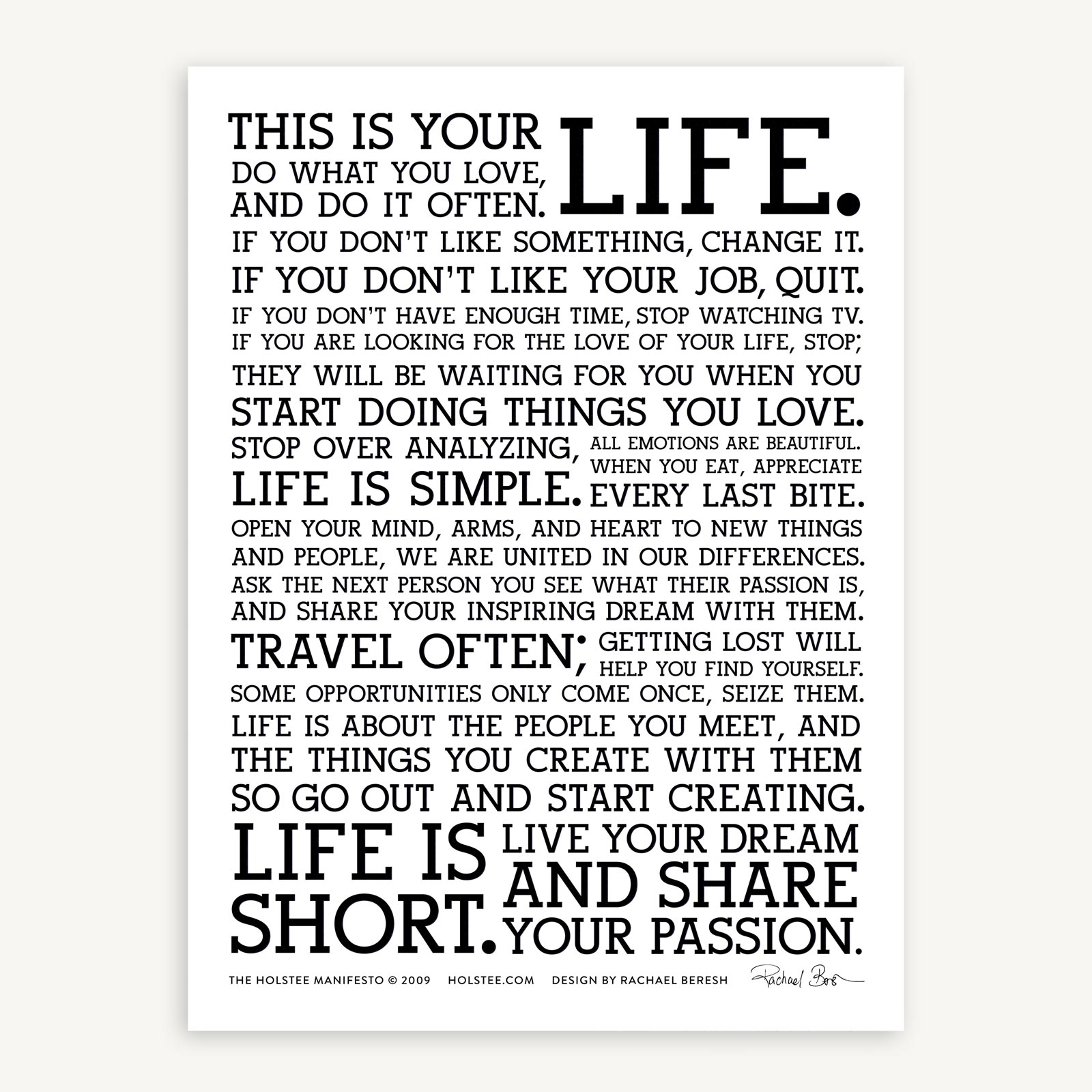
What Does "Per Aspera Ad Astra" Mean? Per aspera ad astra is a Latin phrase that translates to "through hardships to the stars" — or more poetically, "through difficulties, to the heights." It's a five-word reminder that the path to anything worth reaching runs through struggle. Not around it. Through it. Pronunciation: pair AH-spare-ah ad AH-strah (classical Latin) Word-by-word breakdown: per — through aspera — hardships, rough terrain, adversity ad — to, toward astra — the stars You'll also see it written as ad astra per aspera ("to the stars through hardships"). Both orderings are grammatically correct and carry the same meaning — the word order in Latin is flexible because meaning comes from case endings, not position. The per aspera ad astra version is more common in literature and tattoos; ad astra per aspera is the version chosen as the state motto of Kansas. Where Did the Phrase Come From? The exact origin of per aspera ad astra is debated, which is part of what makes it so enduring. It was not coined in a single moment by a single author. It distilled itself over centuries from several closely related Latin expressions. The sentiment traces back to the Roman Stoic philosopher Seneca, who wrote in Hercules Furens (a tragedy from around 54 AD): "non est ad astra mollis e terris via" — "there is no easy way from the earth to the stars." That line captures the same idea: greatness requires hardship. The Roman poet Virgil used a similar construction in the Aeneid around 19 BC: "sic itur ad astra" — "thus one goes to the stars," spoken when heroes transcend ordinary limits through effort and courage. The specific phrasing per aspera ad astra emerged later, during the Renaissance and early modern period, as scholars condensed and adapted these classical sources into a compact motto. By the 19th century, it had spread across Europe and become a fixture on coats of arms, university crests, and personal emblems. Famous Uses of Per Aspera Ad Astra The phrase's durability is a testament to its truth. It has been adopted by governments, militaries, space programs, and individuals for over two centuries. State motto of Kansas (1861). Adopted when Kansas joined the Union after years of violent conflict over slavery — "Bleeding Kansas" — the motto reflected a state forged through hardship. The seal features a rising sun, plowed fields, and a wagon train heading west, with ad astra per aspera arched above. Royal Air Force of the United Kingdom. Uses the closely related per ardua ad astra ("through adversity to the stars") as its official motto, adopted in 1912. The phrase is inscribed on the RAF memorial in London. NASA, aviation, and space programs worldwide. Variations of the phrase appear on mission patches, aerospace academies, and pilots' wings across dozens of countries. It has become shorthand for the human drive to reach beyond earthly limits. Popular culture. The phrase appears in J.K. Rowling's writing, was quoted by President John F. Kennedy, and has been tattooed on countless people marking a milestone — a recovery, a graduation, a loss transformed into purpose. Why the Phrase Still Resonates Most motivational sayings promise that effort leads to reward. Per aspera ad astra says something sharper and truer: the reward is only available because of the hardship. A few years ago I was driving with my parents to Ventura, California, and we switched on an Oprah SuperSoul Conversations episode with the author Eckhart Tolle. In the last ten minutes, Oprah asked him how he interpreted the troubled times we were living in. He answered with a phrase I had never heard before: per aspera ad astra, a Latin saying going back two thousand years. "Whenever an obstacle rises that seems to block the path forward," he said, "in reality the obstacle has an essential function. It forces me, or it forces humanity, to generate more — either more strength, more energy, or more consciousness." That reframe stuck with me. It asks you to stop viewing difficulty as an obstacle to your goals and start viewing it as the road to them. You don't arrive at the stars despite the rough terrain — you arrive because you crossed it. This isn't toxic positivity. The Stoics who shaped the idea didn't romanticize suffering. They recognized that adversity is unavoidable, and that the only question worth asking is how you respond to it. A life with meaning is not a life without hardship. It's a life in which hardship becomes the thing that shapes you. The philosopher Marcus Aurelius, writing roughly a century after Seneca, captured the same idea in his Meditations: "The impediment to action advances action. What stands in the way becomes the way." How to Live "Per Aspera Ad Astra" in Daily Life Understanding the phrase is one thing. Living it is another. Here are five practices, rooted in the Stoic tradition, that translate the idea into something you can actually use. 1. Reframe the obstacle in front of you.When you hit a setback, pause and ask: what is this here to teach me? Not as a platitude, but as an honest inquiry. A difficult conversation, a missed deadline, a rejection — each contains information about how to move forward more skillfully. 2. Separate what you control from what you don't.Epictetus, another Stoic, taught that wisdom begins with this distinction. The weather, other people's opinions, the economy — outside your control. Your effort, your response, your values — inside your control. Put your energy in the second category. 3. Practice voluntary difficulty.Seneca occasionally chose days of deliberate simplicity — eating plainly, wearing rough clothing — to remind himself that comfort is a preference, not a need. A modern version: take a cold shower, fast for a day, or sit quietly without your phone. Small chosen hardships build the muscle you'll need for unchosen ones. 4. Keep a reflection journal.Marcus Aurelius wrote his Meditations as private reminders to himself. A reflection practice — even five minutes a day — lets you review what you faced, how you responded, and what you'd do differently. Over time, you build a relationship with your own growth. 5. Remember the stars.When hardship feels relentless, it helps to remember what it's pointing toward. The Stoics didn't tell people to suffer for its own sake. They told them to keep their eyes on what matters — meaning, virtue, the life they wanted to build — and to accept the difficulty as the cost of getting there. Common Misconceptions About the Phrase Because per aspera ad astra gets used so often — in graduation speeches, on coffee mugs, in Instagram captions — some of its meaning has eroded. A few clarifications: It is not a "no pain, no gain" slogan. It's not about glorifying suffering or treating exhaustion as a virtue. It's about recognizing that worthwhile pursuits include difficulty and meeting that difficulty with equanimity. It is not only about grand achievements. The "stars" don't have to be literal accomplishments. For the Stoics, the highest goal was simply to live well — to act with wisdom, courage, justice, and self-restraint. The stars can be a good marriage, a meaningful friendship, or a peaceful mind. It is not fatalistic. The phrase acknowledges hardship as part of the journey, but it does not counsel passivity. Quite the opposite: it presumes you're still walking toward something. Bringing the Phrase Home If per aspera ad astra resonates with you, the question becomes: what do you want to do with it? One of the oldest ways to internalize a motto is to live with it visually — to keep the words in a place you'll encounter them every day. Holstee's Manifesto collection was built on that idea. The original Holstee Manifesto started as a single document that a small team wrote to remind themselves what kind of life they wanted to build. Hundreds of thousands of people since have hung it on their walls for the same reason. If you're drawn to the reflective side of this philosophy — the journaling and self-examination the Stoics valued — Holstee's Reflection Cards offer a simple way to start. Each card is a thoughtful prompt that invites you to pause and consider what matters most. They're particularly useful in hard seasons, when you need something external to help you make sense of what you're going through. And if you want to practice this way of thinking alongside others, The Flourishing Life is Holstee's membership community for people committed to reflection, connection, and intentional living. When I look at my own life, I see that my greatest periods of personal growth came on the heels of the hardest stretches — moments when I was well beyond my comfort zone. That's the reason this phrase has stayed with me. It doesn't make the difficult seasons any easier to live through, but it does give me hope that through all of it, we can rise higher than where we started. To the stars, Dave RadparvarCo-Founder, Holstee Keep exploring: Resilience: How to Bend Without Breaking, part of our Flourishing Life series.
Learn more
The Golden Mean.
October is the month I was born, which makes this month’s theme of Integrity the equivalent of my astrological sign in the Holstee-verse (high-five to my fellow equitable and slightly indecisive Libras!). They say Libras are all about balance. Perhaps that is why this month I was drawn towards Aristotle’s concept of the Golden Mean. According to Aristotle, a pioneer of western philosophy, identifying our virtues is important but the real impact comes from being able to put our virtues into action — in the right way, at the right time, and with the right intention. In this month’s Integrity Guide, we explore his concept of the Golden Mean, the sweet spot of our moral behavior between two extremes, with excess at one end and deficiency at the other. Take courage, for example. Too little can translate to cowardice, while in excess it can become recklessness. But when we apply just the right amount of this virtue, we can be courageous in a way that meets the needs of the situation and doesn’t lead to unintended consequences. What values are you practicing in excess or in deficit? How might you be able to bring those values back to the Golden Mean? It’s all about the balance, Mike RadparvarCo-Founder, Holstee
Learn more
30+ Journaling Prompts To Kickstart Your Writing Practice
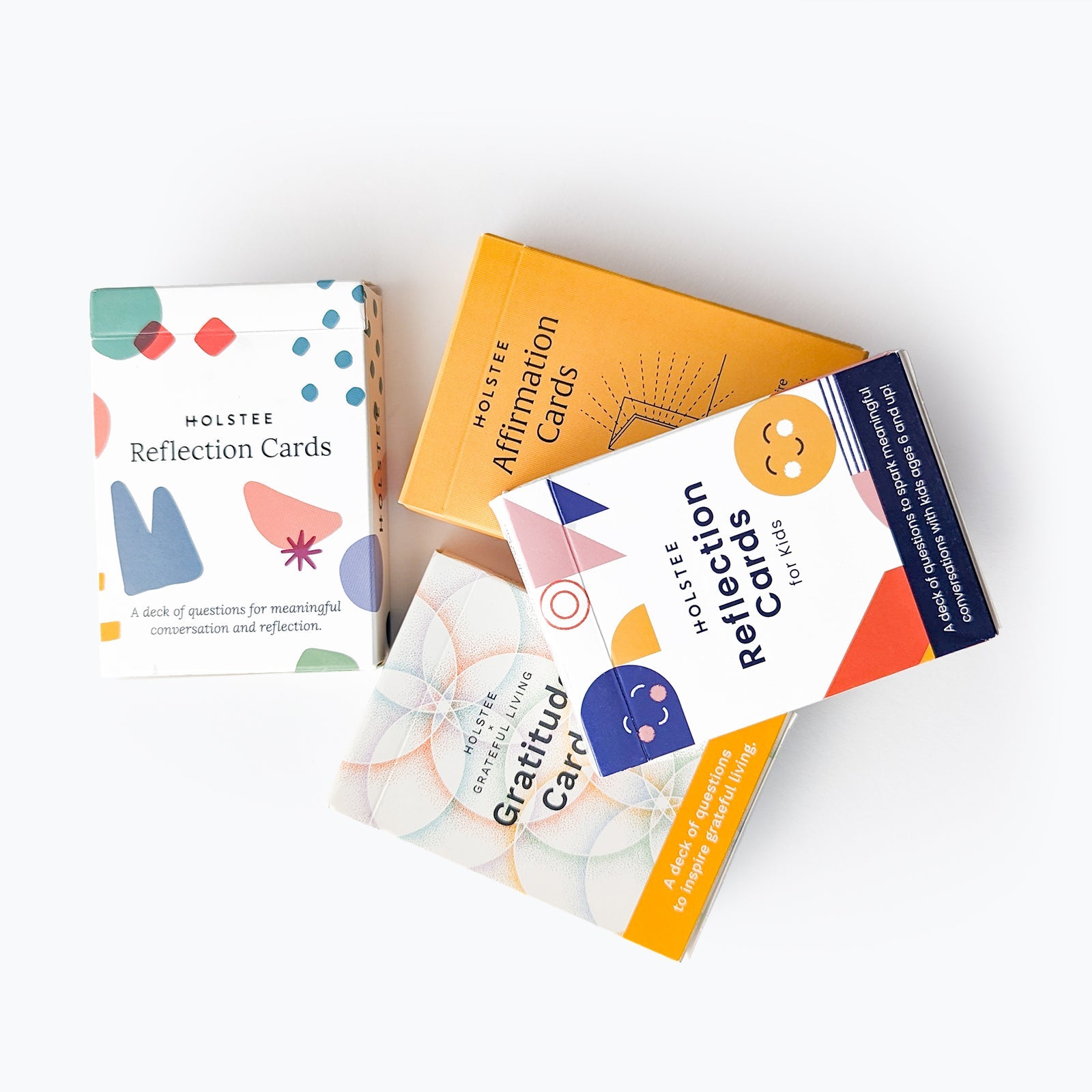
One of the hardest parts about journaling is knowing what to write about. In this post, we’re going to help kickstart your journaling habit. We’re going to provide you with 30+ journaling prompts to help you kickstart your journaling practice. These journaling prompts can be people of all ages — adults, teens, and even children (some of them). We have divided them into a four sections: Daily Journal Prompts Journal Prompts For Self-Discovery Journal Prompts For Mental Health Journal Prompts For Gratitude You can use a single prompt or multiple prompts for each journaling session. What matters most with journaling is consistency. Don’t feel like you have to work through dozens of prompts each time you journal. Doing just one each day is enough to have a profound effect on your life. Create your own Journaling practice with our free journaling tool: Reflection.app — or browse our comparison of the best journaling apps for 2026. Daily Journal Prompts Use these journal prompts to help you evaluate how your day went, what successes you had, and what you want to change tomorrow. These prompts will help you ensure that you live each day to the fullest. What did you experience today? What were the highlights of your day? What brought you joy? Were there patterns in your highlights? What were the lowlights of your day? What challenged you? What did you learn from your lowlights? What do you want to do differently tomorrow? What do you want to keep the same? What are you grateful for today? Why? Journal Prompts For Self-Discovery Use these journal prompts to discover more about who you are, your hopes and dreams, your fears, and what you hope to accomplish in your lifetime. These prompts will help you discover more about who you are, what you love, and the things that bring you joy in life. How do you define success? Who are you grateful for today? Why? If you could change one thing about yourself, what would it be? What’s keeping you from making that change? What is your personal motto? In what ways are you not living by your motto? What advice would you give to your past self? What’s the best advice you’ve ever been given? How often do you apply that advice to your life? What were your hopes and dreams in the past? What are your hopes and dreams today? In what ways have they evolved? What accomplishments are you most proud of? What is something you’ve never done but want to do? If you weren’t afraid of anything, what would you do? Who do you look up to the most from your past? What character qualities do you admire about this person? Journal Prompts For Mental Health Use these journal prompts to think through difficult problems, sort through painful issues, and achieve greater mental health and clarity. These prompts are helpful for resolving sticky issues that you can’t seem to get out of your head. How would your life change if you fully believed in yourself? When did you experience the most pain? What did you learn from that pain? How have you found peace beyond it? What one event in your life has changed you the most? Why was it so transformative? What is keeping you from living your most fulfilled life? What beliefs are you holding on to that no longer serve you? What scares you? How can you use your fear to motivate you to take action? What do you wish you could change about your past? What would change if you made peace with the past? What do you love most about yourself? What makes you feel most alive? Journal Prompts For Gratitude Use these journal prompts to spark gratitude in your heart. As you journal through them, ponder all that you’re grateful for, why you’re grateful, and how you can continue to grow in gratefulness. Who are you grateful for? Why are you grateful for them? What are five things you’re thankful for? What are some moments where you experienced joy? What were the best five days of your life? How can you recreate those best days more often? What are you looking forward to most in the next month? Who do you need to tell that you love them? If your life is a story and you’re the author, what does a happy ending look like? Start Journaling Today Journaling is an incredibly valuable practice. It has numerous health, emotional, and spiritual benefits. It allows you to take a step back from your life and evaluate what’s working well and what needs to change. Ready to get started? We have created a simple app to help you start and keep a journaling practice. If you're looking for additional journaling prompts to grow your self-reflection practice, check out Holstee's Reflection Cards.
Learn more
What brings us together.
We recently announced a new product collaboration with UC Berkeley’s Greater Good Science Center to create a colorful boxed set of 30 science-based practices for a meaningful life. One of the things that I admire most about the Greater Good Science Center is their dedication to surfacing the science behind a flourishing and compassionate society. This is especially important now. Whenever I look at the headlines, it seems like the world is getting more and more divided. People are further solidifying the edges of their identities and the tribes they identify with. I worry that it’s a downward spiral — the less people feel they have in common, the less likely they are to be kind or generous, which fosters even more negativity — and the cycle continues. The good news is, the opposite is also true. The more we feel a shared identity with others, the more likely we are to be kind and generous to them — which in turn makes us feel a greater sense of connection and belonging. The cycle can be beautiful and virtuous, instead of fearful and hateful. To help us understand the science behind this, we can turn to the Shared Identity practice, one of 30 practices in the Greater Good Toolkit. Along with the research, the practice outlines a practical exercise to help foster empathy and connection. Here is a summarized excerpt: Think of a person who seems to be different from you in every way you can imagine. Make a list of all of the things that you most likely share in common with this person. Perhaps you both work for the same company or go to the same school? Review this list of commonalities. Does it make you see this person in a new light? Instead of viewing this person as unfamiliar or as a member of an out-group, try to see this person as an individual, one whose tastes and experiences might overlap with yours. Repeat this exercise whenever you meet someone who initially seems different from you, with whom you have a conflict, or who makes you feel uncomfortable. While simple in practice, the science behind it is powerful. In a 2008 study on empathy that is referenced in the practice, researchers found that: “Participants who reported feeling a greater sense of connection to other people, regardless of group distinctions, and to the natural world at large also reported less egocentricity, more concern for others, and less interest in having power over others.” The more we realize and appreciate how similar we actually are, the more we are able to treat others as we would want to be treated — with care and kindness. We’re in this together, Dave RadparvarCo-Founder, Holstee P.S. We are offering 20% off of all Greater Good Toolkit pre-orders until this Thursday, when we officially begin production. Visit the Toolkit Pre-order page →
Learn more

Q&A with Leah Duffney
This month’s art is by Holstee’s very own graphic designer, Leah Duffney. Based in the cozy woods of Vermont, she loves creating compelling visual solutions that help tell a brand’s story and make an impact. Leah believes integrity is an intricate balance between doing what is right in your heart and taking action. For a little more about Leah, here's a short Q&A! Where is home for you? Home is in the mountains of Central Vermont. What is your definition of a successful life? A successful life is one you can look back on when you’re older and feel pleased with the journey you’ve lived. You are able to look back at all the adventures you’ve taken, accomplishments you’ve made, reflect upon the “downs” you’ve had and are proud of the person you have become. A successful life is one of integrity—always taking action and following your heart. Describe your perfect day. My perfect day is when I find balance in productivity and self-care. I love being able to start my day in a way that allows me to feel full and ready to take on the rest of it! This could be a range of things like going to the gym or sitting on the front porch in the morning sun and listening to the world around me. How did you get into design? I was always a creative thinker—even as a child I was constantly drawing and coming up with new ways to challenge myself creatively. I took as many art courses in high school as I could and when I took my first Graphic Design class, I knew it was what I wanted to pursue as a career. What I love about being a designer is that there are so many facets in the industry—so many different areas and styles to explore. It gives me the ability to continue challenging myself and discover new ways to creatively problem solve. Where do you find inspiration? Anywhere and everywhere! I can’t seem to walk into a store without looking at or taking pictures of inspiring branded materials—packaging, signage, product design, etc. I also look on Pinterest but most of my creative inspiration comes from Instagram! I have an absurd number of Instagram collection boards of designs, styles, techniques, and project ideas that inspire me -so when I start a new project or want to challenge myself, I can easily look back and reference those inspirational pieces! What's your dream design project? I don’t necessarily have a “dream” project but any opportunity to create compelling graphics/branding to support a business is always the most fulfilling part of my job. I love taking a business’ story/mission and creating its visual direction. I find joy in designing cohesive elements that tell an engaging story that makes an impact. Which designers or thinkers influence/inspire you? There are so many people I am inspired by! I have to start by saying that Wassily Kandinsky, a 20th century artist known for his geometric shapes and lines, is someone I draw a lot of inspiration from. He is believed to be the first artist to arrive at a true and complete abstraction. One of my favorite pieces by him is titled “Composition VIII”. But there are many modern day designers and thinkers that I am inspired by—too many to list but I have to share a few!… Olivia Herrick, Carli Anna, Amy Bridgeforth, Morgan Rapp, Kim Lincoln, Kelsy Stromski, and the teams at Outline & Stitch Design Co! These are all people and teams that I look up to when starting a new project because of their unique outside-the-box thinking, creativity, use of color and typography, and influence in the creative community. What was the inspiration behind this design? Throughout my life and my career, my goal was to always follow my heart. It was never about following the money or doing things I don’t agree with—it was always about doing work and making decisions that were fulfilling and made an impact in some way, shape, or form. Design has always been something that felt natural to me so I knew that I had to follow that path, even if I didn’t know exactly what that path looked like. (I still don’t! And that’s why it’s a journey.) So, I wanted to create a piece that reminded people to follow their inner truth and rise up to it, especially when the going gets tough. We are our integrity—our work, our decisions, our words and if we stay true to that, we will always find our way. At the moment, what is your favorite… Color: I love so many different colors but my ultimate favorite is matte royal blue—not specific at all, right? Ha! Food: Oh food, my favorite thing of all! Sushi and anything pasta related are top of the list. Song: Honestly, I have never had a favorite song! I like way too much music to just pick one. I love everything from pop, R&B, reggaeton, hip-hop, country… the list goes on. It entirely depends on my mood. Quote: “The details are not the details. They create the design.” – Charles Eames
Learn more