Mindful Matter


Release the tension.
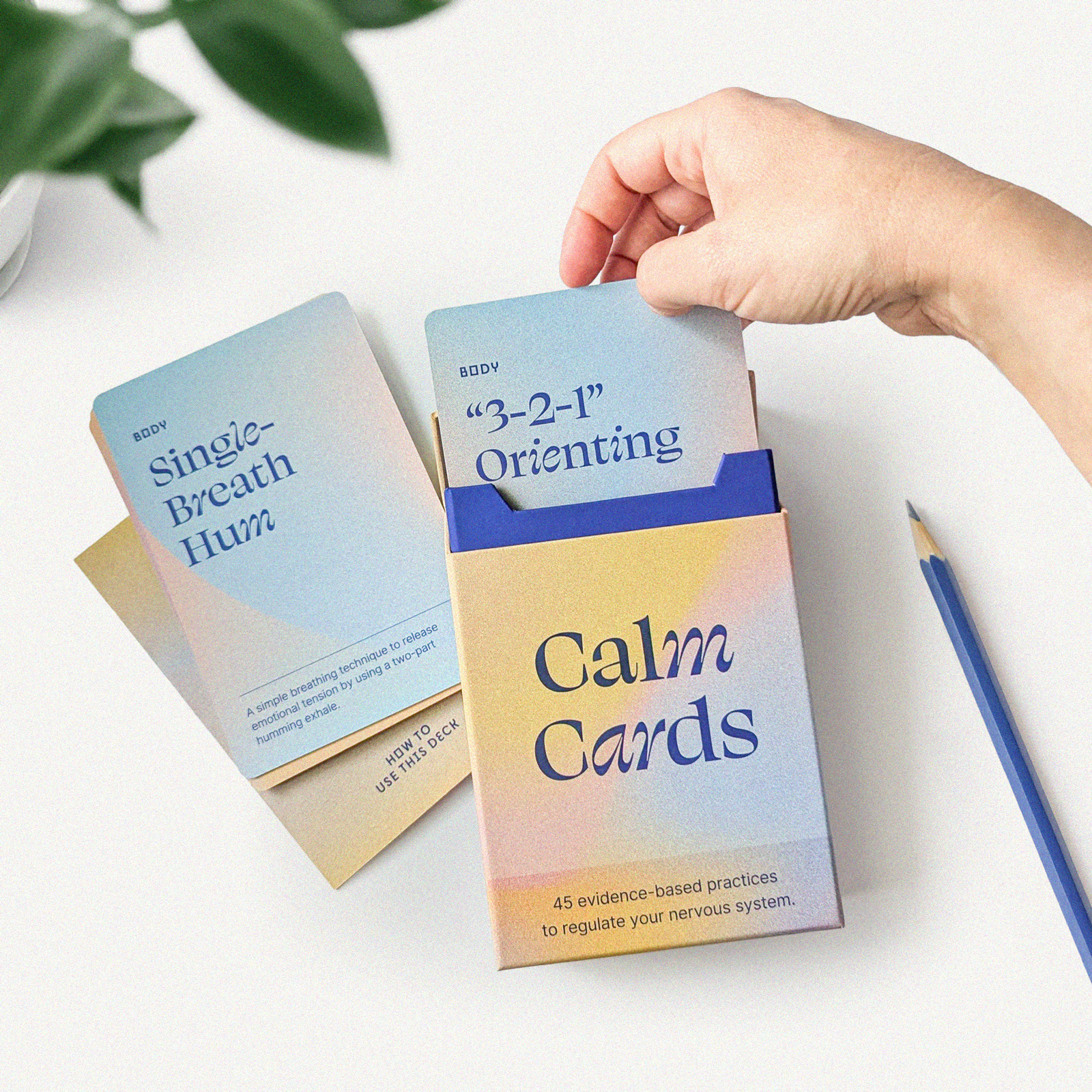
I was thinking recently about tension. First, the literal concept of tension — how a rope gets tense when it’s pulled in opposite directions. The greater the distance or force between the two ends, the tighter the rope gets. Then, I started thinking about the tension in my life — the stress of feeling pushed and pulled by what is and what could be. I realized that the tensions are similar. If I am stressed about something, it’s usually because there’s a gap between my desired state and my reality. The further the distance between those two states, the less tranquil I feel. Instead, I feel stressed, twisted, and wound up. But similar to rope, there is no tension if the force from one side stops. So if I can acknowledge a wishful thought and recognize the desire in it, I can see that thought for what it is without being overtaken by it. I can let go of the “desire” side of my internal rope and be at peace with my reality. Releasing one end of the rope doesn’t mean we give up. But rather, we acknowledge the desire without letting it pull, or consume us. We can still strive for what could be, while being at peace with what is. Perhaps when we let go, our desired state will stop pulling away. Perhaps without feeling the need to pull away, it may even float in our direction. To letting go (but not giving up), Dave RadparvarCo-Founder, Holstee P.S. Our monthly membership helps people take a step back, decide what it is they truly want, and pursue that — instead of getting pulled around by the ropes of life.
Learn more
'My life is over.’
When I was in high school, I did something I am really ashamed about. To this day, I have trouble sharing the story. My sophomore year, I stole a copy of my Latin II exam a few weeks before we were scheduled to take the test. It was the hardest class in school, and I was really worried about making it through. I shared it with a few friends, but within days it had made its way around the whole class. It was only a matter of time before I got caught. I was suspended. This meant I got a failing grade, which meant I had to go to summer school. This wasn’t even the worst part. What stung for me most was being labeled as someone who steals and cheats. I didn’t know how to tell my little brother Dave or older sister Ramesh, let alone face my classmates and teachers again. I started convincing myself that my life was over (remember, this was high school). I was lucky to have parents who knew me and knew that this lapse in judgement was not who I really was. They reminded me that yes, I messed up, but this experience didn’t have to define me — if I was smart, it could help shape me. It did. I learned that we all make mistakes — moments when we stray from our personal moral code. When this happens, we can either spiral into shame and self-doubt, like I started to do all those years ago. Or, we can take responsibility for the error, try to understand where we went wrong, and consider what we could have done differently. Reflecting on the moment allows you to grow from the mistake rather than define yourself by it. And if you are open to growing from bad experiences, you may end up in a better place than where you started. Mike RadparvarCo-Founder, Holstee P.S. I have made it a practice once a year to review my own personal values and method for staying on track. This month’s Integrity Guide is a great framework for doing that.
Learn more