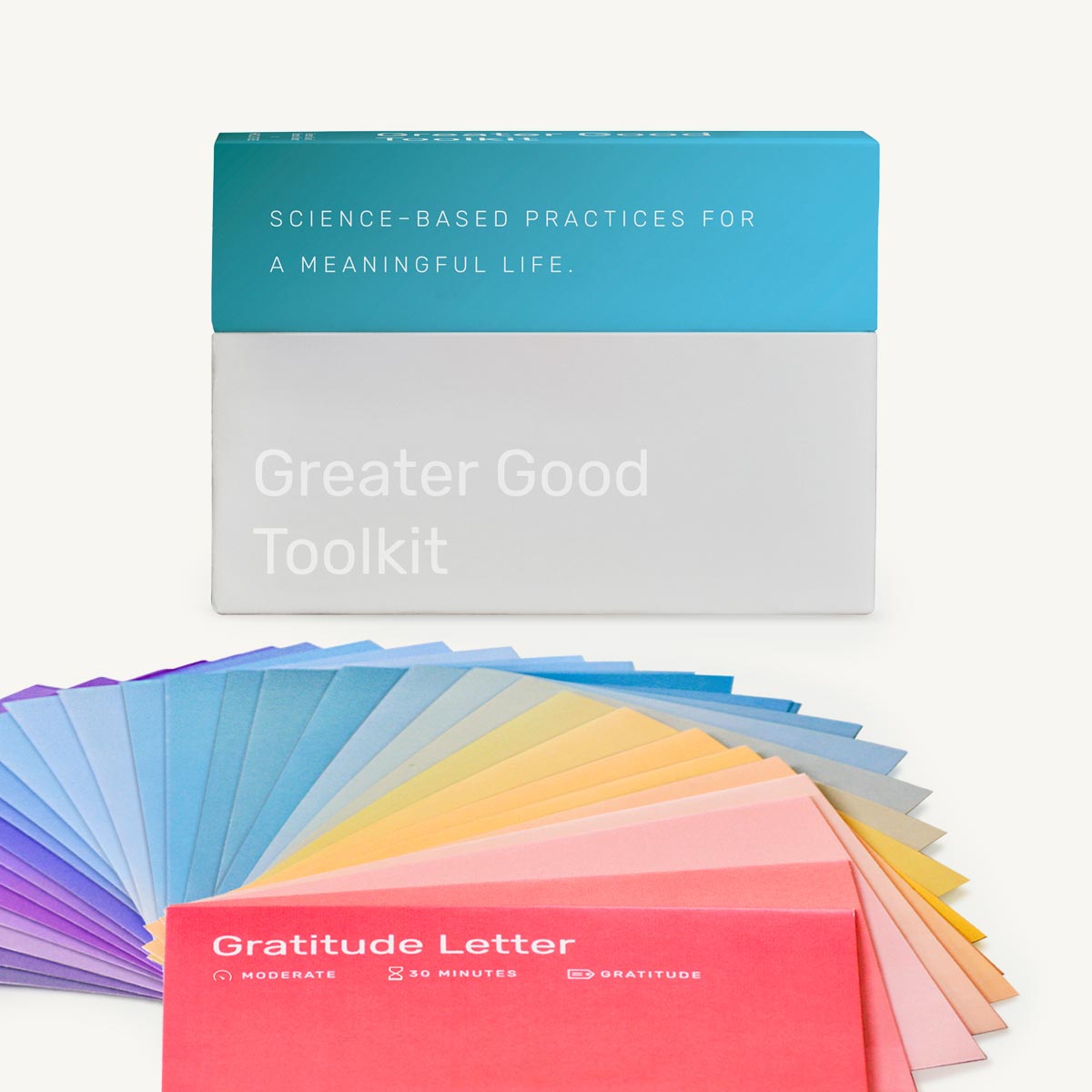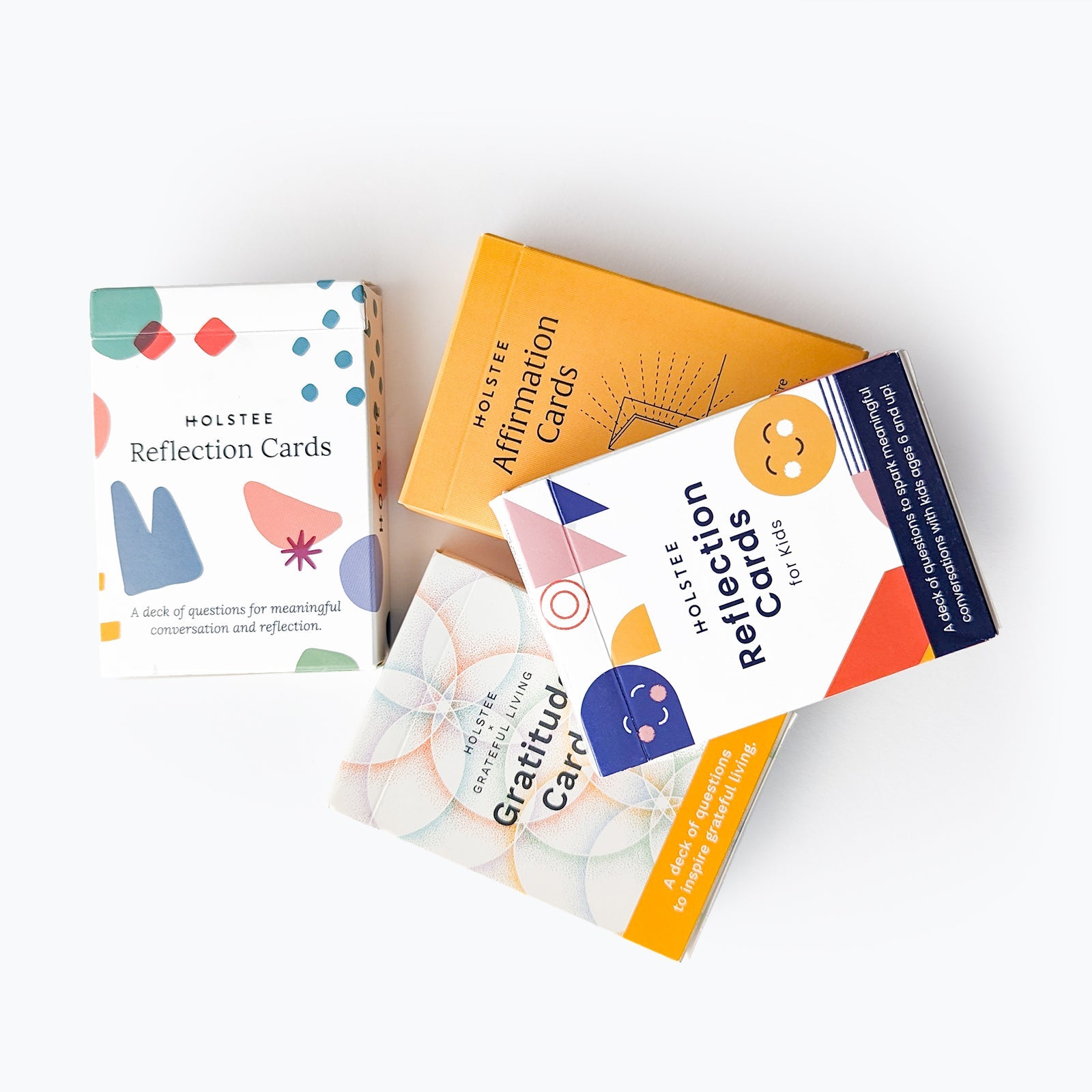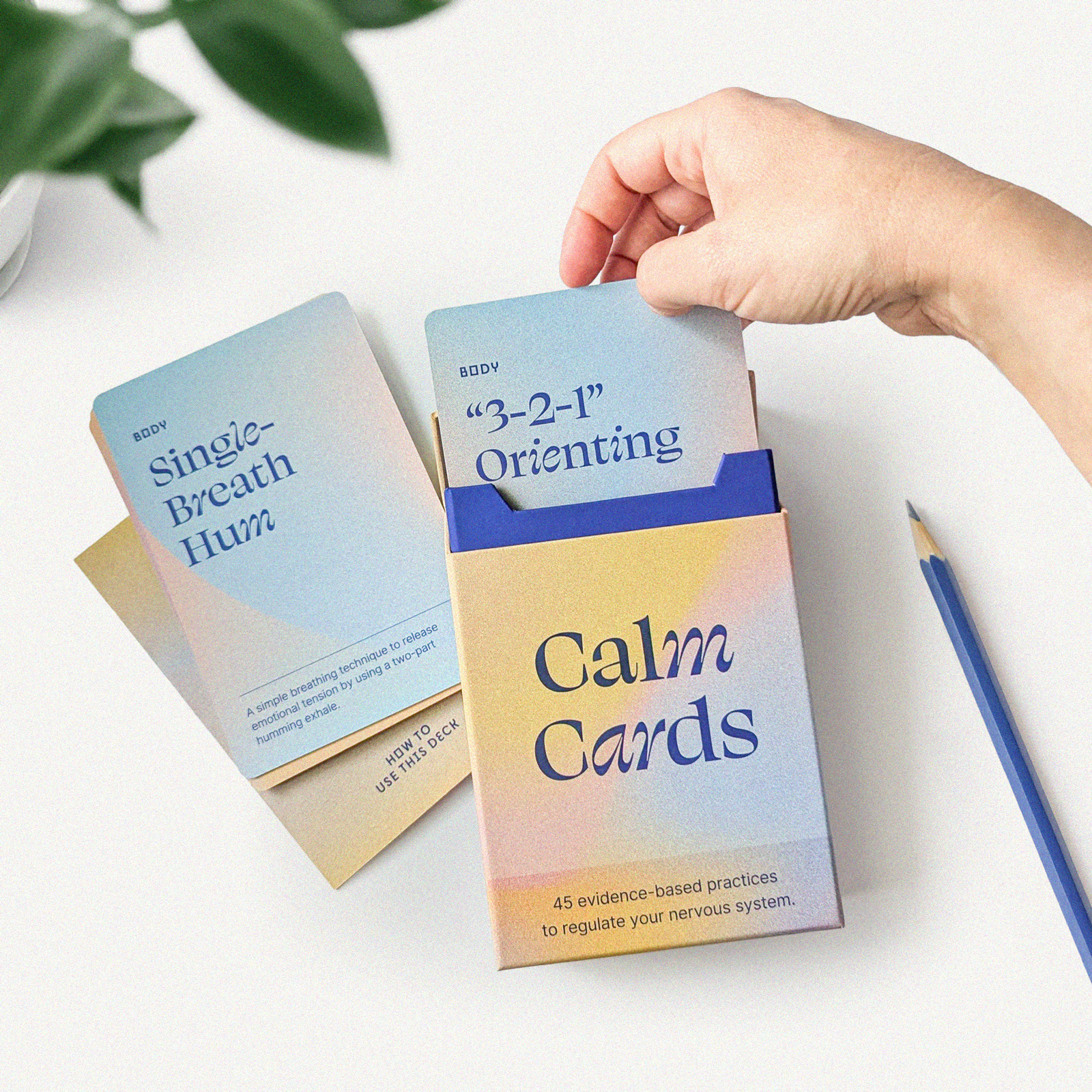
🌱 Enjoying this? It's a taste of The Flourishing Life, our year-long Holstee membership. Every month we explore a new theme like this one together, with guided practices, reflection prompts, and live conversations. Unlock full access →
I can be endlessly patient with other people and a tyrant to myself. A friend misses a deadline and I tell them not to worry, it happens, life is full. I miss the same deadline and the voice in my head reaches for words I would never say out loud to anyone I cared about. For a long time I thought that double standard was just discipline. It was mostly cruelty wearing discipline's clothes.
Compassion is the practice of closing that gap. The word comes from the Latin for "to suffer with," and that's the heart of it: the willingness to be present with pain, your own or someone else's, and to respond with kindness rather than judgment.
What compassion actually is
Compassion gets confused with a few softer things. It isn't pity, which looks down. It isn't fixing, which rushes to make the discomfort go away, usually more for our sake than theirs. And it isn't drowning in someone else's pain until you're no use to anyone.
Real compassion is two things held together: feeling with someone, and the motivation to help. Think about the last time someone was truly there for you in a hard moment. Odds are they didn't solve anything. They just sat with you and somehow made it lighter. That presence is the whole skill. We've written before about accepting kindness, which turns out to be its own kind of practice.
Be kinder to yourself first
Here's the part most of us skip. Dr. Kristin Neff, who has spent her career studying this, found that self-compassion does what we wrongly expect self-criticism to do. People who treat themselves kindly through failure are less anxious, less depressed, and, counterintuitively, more motivated to improve. The inner drill sergeant isn't keeping you sharp. It's wearing you down.
Neff describes self-compassion as three moves. Self-kindness instead of harsh judgment when you fall short. Common humanity instead of isolation, remembering that struggling and failing is something every human does, not a private defect of yours. And mindfulness instead of over-identifying, holding your hard feelings without becoming them.
A practice she teaches has stuck with me. When the inner critic starts up, notice that there are actually three voices in there: the Critic, the one being criticized, and a third, quieter one, a kind observer. Most of us never let that third voice speak. Try writing down what it would say. Usually it sounds like what you'd tell a good friend, which is exactly the point. If saying kind things to yourself feels strange at first, our Affirmation Cards are a small scaffold for the habit.
Widening the circle
Once you can extend warmth inward, it gets easier to extend it outward, even to strangers, even to people you'll never meet. That isn't sentimental. Dr. Emma Seppälä at Stanford's compassion research center, who recently joined us as a guest speaker in The Flourishing Life, has shown that our instinct for compassion can actually be trained, often through a simple loving-kindness meditation: quietly wishing well, first to someone you love, then to yourself, then outward to people you barely know.
The positive psychologist Chris Peterson spent a career boiling the research on what makes life good down to three words: "Other people matter. Period." Compassion is just the everyday technology for acting like that's true. It shows up small, in a kindness offered with eyes open, in the choice to stay soft during a conflict instead of bracing for one.
Compassion is also how you speak
Some of the most practical compassion lives in language, in how we handle the moments when we're hurt or at odds. Marshall Rosenberg built a whole method around it called Nonviolent Communication, which we wrote a fuller introduction to here. Its four steps are worth memorizing:
Observe without judgment. "The project was two days late," not "you always miss deadlines."
Name the feeling. "I feel anxious," not "I feel like you don't care," which is a thought wearing a feeling's clothes.
Identify the need underneath. Most anger is an unmet need for connection, respect, or security in disguise. "I feel anxious because I really value being able to count on a plan."
Make a request, not a demand. "Would you be willing to give me a day's notice if things change?" leaves room for a yes.

It feels mechanical written out. In practice it does something quietly radical: it lets you be honest about your hurt without turning the other person into a villain.
A note on paying attention
Underneath all of this is something even simpler. Compassion begins with attention, the willingness to actually notice another person, or yourself, instead of rushing past. Mary Oliver put it better than any framework could, in her poem "Praying":
It doesn't have to be
the blue iris, it could be
weeds in a vacant lot, or a few
small stones; just
pay attention, then patch
a few words together and don't try
to make them elaborate, this isn't
a contest but the doorway
into thanks, and a silence in which
another voice may speak.
That doorway is where compassion starts. Pay attention. The rest follows.
Going deeper, together
Reading about compassion is one thing. Practicing it alongside other people who are also trying is another, and it tends to stick better.
Compassion is one of twelve themes in The Flourishing Life, our year-long Holstee membership, alongside Intention, Kinship, Gratitude, and the rest. Over a year the community moves through all twelve together, and you can join any time and focus on whatever you need most right now. Each theme brings a small curriculum, fellow members working through it alongside you, and live conversations to make it real. It's not for everyone, but if you've read this far, it might be for you.
Frequently asked questions
What is compassion?
Compassion is the ability to understand and share in another person's suffering, combined with the desire to help relieve it. The word comes from the Latin for "to suffer with." It requires both feeling and action, and it can be directed toward others or toward yourself.
What is the difference between empathy and compassion?
Empathy is feeling what another person feels. Compassion adds a second ingredient: the motivation to help. Empathy alone can leave you overwhelmed or stuck in someone else's pain, while compassion channels that shared feeling into supportive action, which is part of why it tends to be more sustainable.
What is self-compassion?
Self-compassion is treating yourself with the same kindness you'd offer a good friend who was struggling. Researcher Kristin Neff describes it as three elements: self-kindness instead of harsh judgment, recognizing your struggles as part of common humanity rather than isolation, and holding difficult emotions mindfully instead of being consumed by them.
Is self-compassion just an excuse to let yourself off the hook?
No. Research consistently finds the opposite: people who practice self-compassion are more motivated to improve, not less, because they're less afraid of failure. Harsh self-criticism tends to drive anxiety and avoidance, while self-compassion creates the safety needed to learn from mistakes and try again.
How can I be more compassionate in difficult conversations?
Nonviolent Communication offers a simple framework: state a specific observation without judgment, name how you feel, identify the underlying need, and make a clear request rather than a demand. This lets you express hurt honestly without blaming the other person, which keeps the conversation open instead of defensive.
Can compassion be learned?
Yes. Studies show compassion is trainable, much like a muscle. Practices such as loving-kindness meditation, which involves directing goodwill toward yourself and others, have been shown to measurably increase compassionate feelings and behavior over time.
Michael Radparvar
Co-Founder, Holstee