🌱 Enjoying this? It's a taste of The Flourishing Life, our year-long Holstee membership. Every month we explore a new theme like this one together, with guided practices, reflection prompts, and live conversations. Unlock full access →
Recently I stepped back from running the company I'd spent fifteen years building, and for the first time in a long while I had room to think. What struck me almost immediately was how much had happened that I'd never actually processed. Whole years had gone by in motion, win to loss to whatever was next, and I'd extracted almost none of the wisdom they were offering. I'd lived them. I hadn't really learned from them.
That gap is what reflection is for. Most of us accumulate experiences without ever turning them into insight. Reflection is the practice of slowing down long enough to ask the questions that do the converting: What just happened? What did I learn? How am I different now? It's the difference between growing older and growing wiser.
Reflection turns experience into wisdom
Everything behind you is raw material. Every hard conversation, every project that worked or didn't, every unexpected joy, all of it is data waiting to become understanding. But the transforming doesn't happen on its own. Left alone, experience just piles up.
When you do reflect regularly, patterns start to surface that you can't see from inside a single day. You notice what consistently gives you energy and what drains it, which relationships nourish you and which leave you empty, what brings out your best self and what triggers your worst. That awareness isn't for judging yourself. It's for designing a life that actually fits who you are. We've felt this slowly, over years, that time brings perspective and reflection brings clarity.
Reflecting, not ruminating
There's an important line here, because reflection has an evil twin: rumination, the loop where you replay the same painful moment without ever getting anywhere. One builds wisdom; the other just deepens the rut.
The difference is mostly direction and tone. Productive reflection is curious rather than critical, and it always bends forward. You're not asking "why am I like this" on repeat. You're asking "what can I learn, and how do I want to grow?" The research backs this up: reflection helps most when it's regular, gently structured, and forward-looking, and it can tip into harm when it becomes endless, harsh self-interrogation. Approach yourself the way you'd approach a good friend who was working something out. That tone change is most of the work.
How to actually do it
There's no single right way to reflect, only the way that's sustainable for you. Some people think best on the page, some out loud on a walk, some while moving or making something. The best practice is the one you'll actually keep.
A few that hold up:
The daily three. At the end of the day, answer three questions: What went well? What could I have done differently? What did I learn? Two minutes, and it compounds.
Start absurdly small. Five minutes of regular reflection beats a three-hour session you do once and never repeat. Anchor it to a habit you already have, like your morning coffee or the walk to the train.
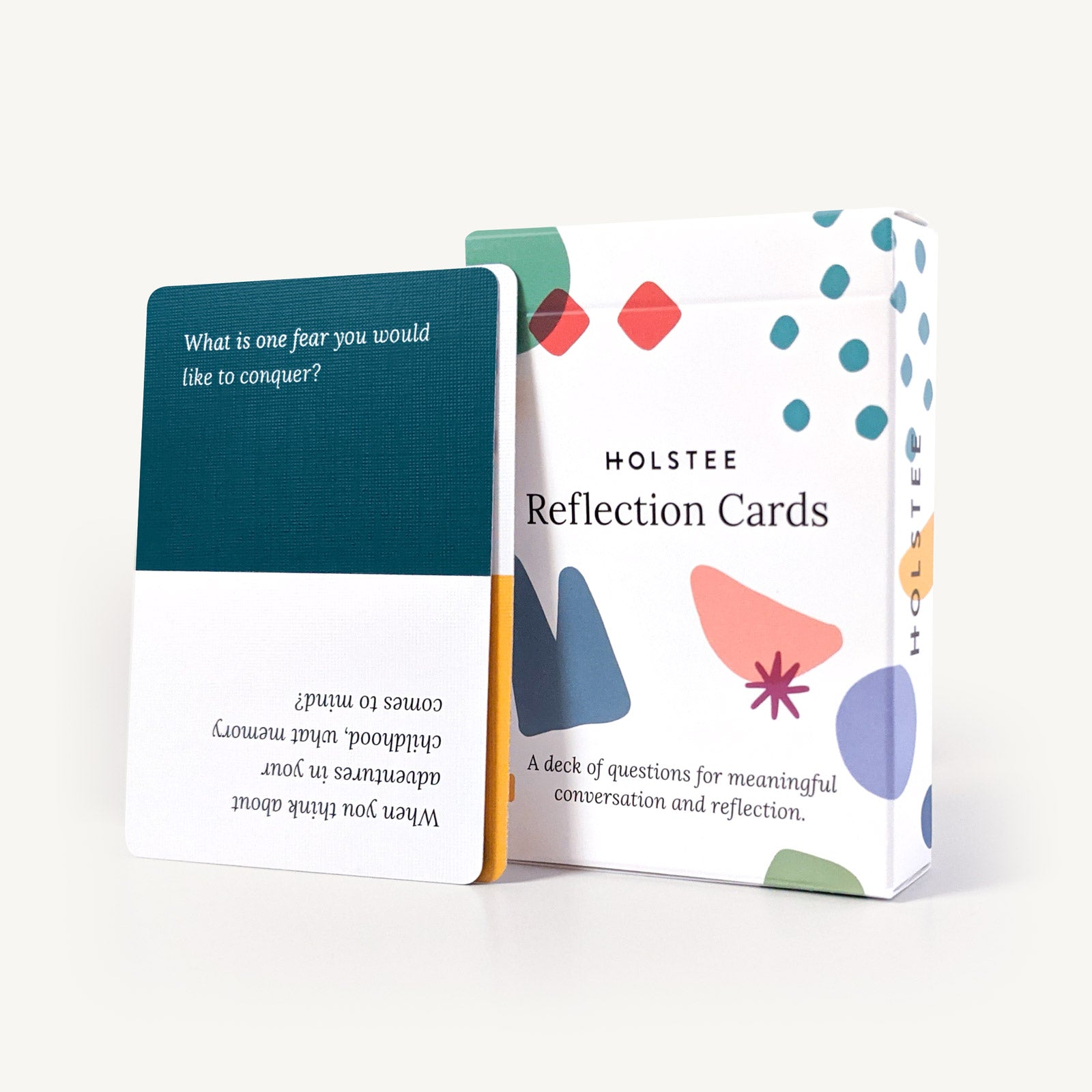
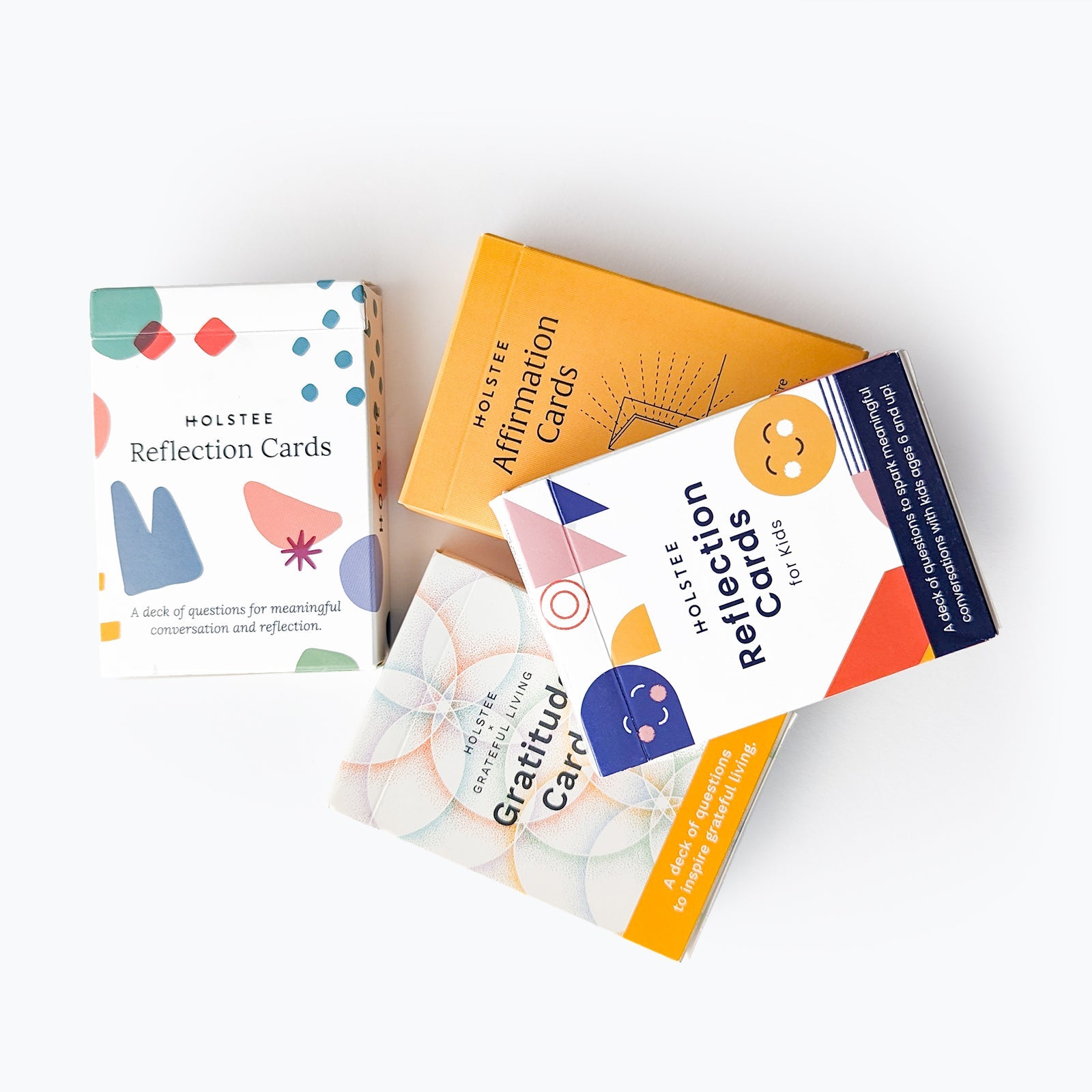
Use a prompt when the blank page is too big. A good question does half the work. Our Reflection Cards exist for exactly this, and we built Reflection.app for people who'd rather keep the practice on their phone. We also went deep on the best journaling apps if you want to compare.
The year in review, through twelve lenses
Daily reflection keeps you honest. Once a year, though, it's worth zooming all the way out, because some changes only become visible over months. A year-end review lets you see the patterns, create closure on what's done, and step into what's next with some clarity.
The trouble with reviewing a whole year is knowing where to look. The frame we use is the twelve themes of this very series, each one a different lens on the same twelve months. What did you set out to do, and who did you become along the way (Intention)? Who sustained you (Kinship)? What tested you, and what did it teach (Resilience)? What lit you up (Passion), what did you make (Creativity), where did you grow kinder, simpler, braver, more whole? Run your year through all twelve and a fuller picture appears than any single "year in review" ever captures.
Which is also how this series comes full circle. We began with intention, setting a direction for who you want to become. We end with reflection, looking back to see how far that intention carried you, and then setting the next one. That loop, intention and reflection, is the engine of a flourishing life. If you want a guided way through it, our Annual Reflection Journal walks you through the whole year, theme by theme.
What reflection is really for
Mary Oliver, who paid closer attention to the world than almost anyone, ends her poem "In Blackwater Woods" with the hardest and most useful lesson reflection has to teach:
To live in this world
you must be able
to do three things:
to love what is mortal;
to hold it
against your bones knowing
your own life depends on it;
and, when the time comes to let it go,
to let it go.
That's the deepest work of looking back. Not to cling to what was, and not to regret it, but to love it fully, learn what it came to teach, and then let it go so your hands are free for what's next. Reflection isn't about perfecting the past. It's about harvesting it, and walking forward a little wiser.
Going deeper, together
Reading about reflection is one thing. Practicing it alongside other people who are also trying is another, and it tends to stick better.
Reflection is one of twelve themes in The Flourishing Life, our year-long Holstee membership, alongside Intention, Kinship, Gratitude, and the rest. Over a year the community moves through all twelve together, and you can join any time and focus on whatever you need most right now. Each theme brings a small curriculum, fellow members working through it alongside you, and live conversations to make it real. It's not for everyone, but if you've read this far, it might be for you.
Frequently asked questions
What is self-reflection?
Self-reflection is the practice of pausing to examine your experiences, thoughts, and feelings in order to learn from them. Rather than simply moving through life, you turn experience into insight by asking what happened, what it taught you, and how you want to grow. Done regularly, it's how you become wiser, not just older.
What is the difference between reflection and rumination?
Reflection is curious and forward-looking; it asks what you can learn and how you can grow. Rumination is the repetitive, often harsh replaying of negative thoughts without resolution. Reflection builds insight and resilience, while rumination tends to deepen distress. The key differences are tone (kind versus critical) and direction (forward versus stuck).
How do I start a reflection practice?
Start small and make it consistent. Even five minutes a day is valuable. A simple format is to ask three questions each evening: What went well? What could I have done differently? What did I learn? Anchor the habit to something you already do, choose a method that suits you (writing, talking, or moving), and approach yourself with curiosity rather than judgment.
What are the benefits of self-reflection?
Regular reflection is linked to better emotional regulation, stronger alignment with your values, healthier relationships, and a more growth-oriented mindset. It activates the brain networks involved in meaning-making and self-awareness, helping you recover from setbacks faster and make decisions that fit who you are.
How do I do a year-end reflection?
Set aside unhurried time and look back across the whole year through several lenses rather than trying to capture everything at once. Holstee's twelve themes, from Intention and Kinship to Resilience and Gratitude, offer a comprehensive framework. Look for recurring threads and patterns, honor both the struggles and the wins, and use what you find to set intentions for the year ahead.
Is journaling the only way to reflect?
No. Writing works well for many people, but reflection can also happen through talking (voice memos or conversations with a trusted friend), moving (walking meditation), or creating. The best method is whichever one you'll actually sustain. The goal is regular, gentle self-examination, not a particular format.
Michael Radparvar
Co-Founder, Holstee