🌱 Enjoying this? It's a taste of The Flourishing Life, our year-long Holstee membership. Every month we explore a new theme like this one together, with guided practices, reflection prompts, and live conversations. Unlock full access →
Most of us got the same quiet message early: creativity belongs to creative people. Artists, writers, musicians, the ones born with the gift, while the rest of us watch from the seats. Usually there's a specific moment behind it, a teacher's red pen or an offhand comparison that taught us we weren't "the creative type," and we've been quoting that verdict back to ourselves ever since.
It's worth questioning, because it's mostly false. Creativity isn't a rare talent a few people are issued at birth. It's a basic human capacity, and it shows up far more often in a rearranged room, a problem solved sideways at work, or a new way to make your kid laugh than it ever does in a gallery.
Creativity is a practice, not a gift
The reframe that changes everything is this: creativity isn't about the final product. It's about the process of making something that wasn't there before. A poem, a meal, a solution, a fresh way of seeing an old problem, they all count, and none of them require you to be a genius first.
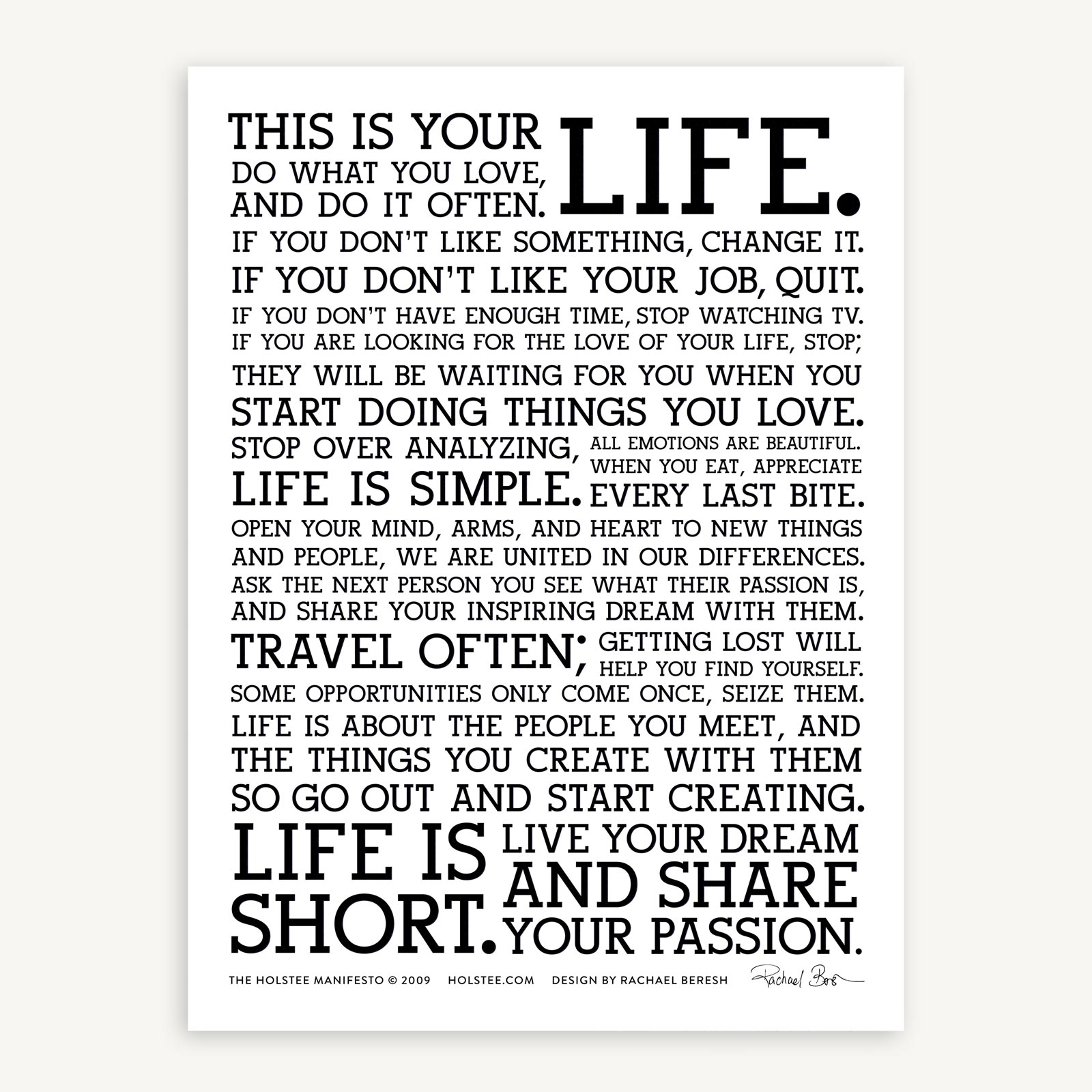
Carol Dweck's research on the growth mindset is the foundation here. People with a fixed mindset believe ability is handed out in fixed amounts, which makes every creative attempt a referendum on whether they "have it." Dweck even has a name for the perfectionist version, "Duck Syndrome," gliding along on the surface while paddling frantically underneath, desperate to look like it's effortless. Creative work is exactly where that pose fails you, because the work is the effort. Our old creativity pledge was really just a promise to drop the pose.
How ideas actually come
We imagine original thinkers as people brimming with brilliant ideas. Adam Grant, who studies them, found something more useful: originals mostly just generate a lot of ideas, including plenty of bad ones, and fish the good ones out of the pile. Quantity is the on-ramp to quality. If you want better ideas, make more of them and judge less as you go.
Two of his findings are worth stealing. The first is the value of "vuja de," a phrase the comedian George Carlin coined for the opposite of déjà vu: looking at something familiar as if for the very first time. The second is the quiet power of incubation. When you step away from a problem after working hard on it, a walk, a shower, a night's sleep, your subconscious keeps connecting dots without you. This is the productive cousin of procrastination. You've done the focused work, and now you let it simmer. A handful of good prompts can prime the pump.
Meet the resistance
Anyone who makes things knows the feeling: you sit down to create and a wall of reluctance appears out of nowhere. Steven Pressfield gave that wall a name in The War of Art. He calls it Resistance, and his key insight is counterintuitive: Resistance is a compass. The more of it you feel toward a piece of work, the more it tends to mean that work matters.
Pressfield's prescription is to treat your craft like a professional and show up every day regardless of mood. I'd add a gentler note: you don't have to declare war on it. Often the quieter move works better. Notice the Resistance, name what it's trying to protect you from, and take the smallest possible next step anyway. One sentence. One sketch. The wall is mostly bluff.
The gift of constraints
Here's the most freeing thing I've learned about making things. In 1960, a publisher bet Dr. Seuss fifty dollars that he couldn't write a book using only fifty different words. Seuss won the bet, and the book was Green Eggs and Ham. The limit didn't shrink his creativity. It focused it.
We assume creativity needs total freedom: a blank page, unlimited time, no rules. But the blank page is often where ideas go to die. A constraint, a budget, a deadline, a word count, a single color, narrows the field just enough that the mind stops freezing and starts playing. The next time you feel stuck, don't reach for more options. Reach for a smaller box. The limit is usually the doorway in, not the wall. There's a whole mental model hiding in that idea.
When making feels like play again
At its best, creativity slips into what the psychologist Mihaly Csikszentmihalyi called flow: that state of total absorption where time disappears and the work seems to make itself. It tends to arrive when the challenge in front of you is matched well to your skill, hard enough to hold your attention, not so hard you seize up.
That feeling is the whole reward, and it's worth protecting. The poet Jennifer Healey caught it in a piece called "Orange Energy":
All I want to do is delight...
I want my life to be a
Beautiful,
Messy mosaic that even I
Can't help but fall in love with.
Create! Create!
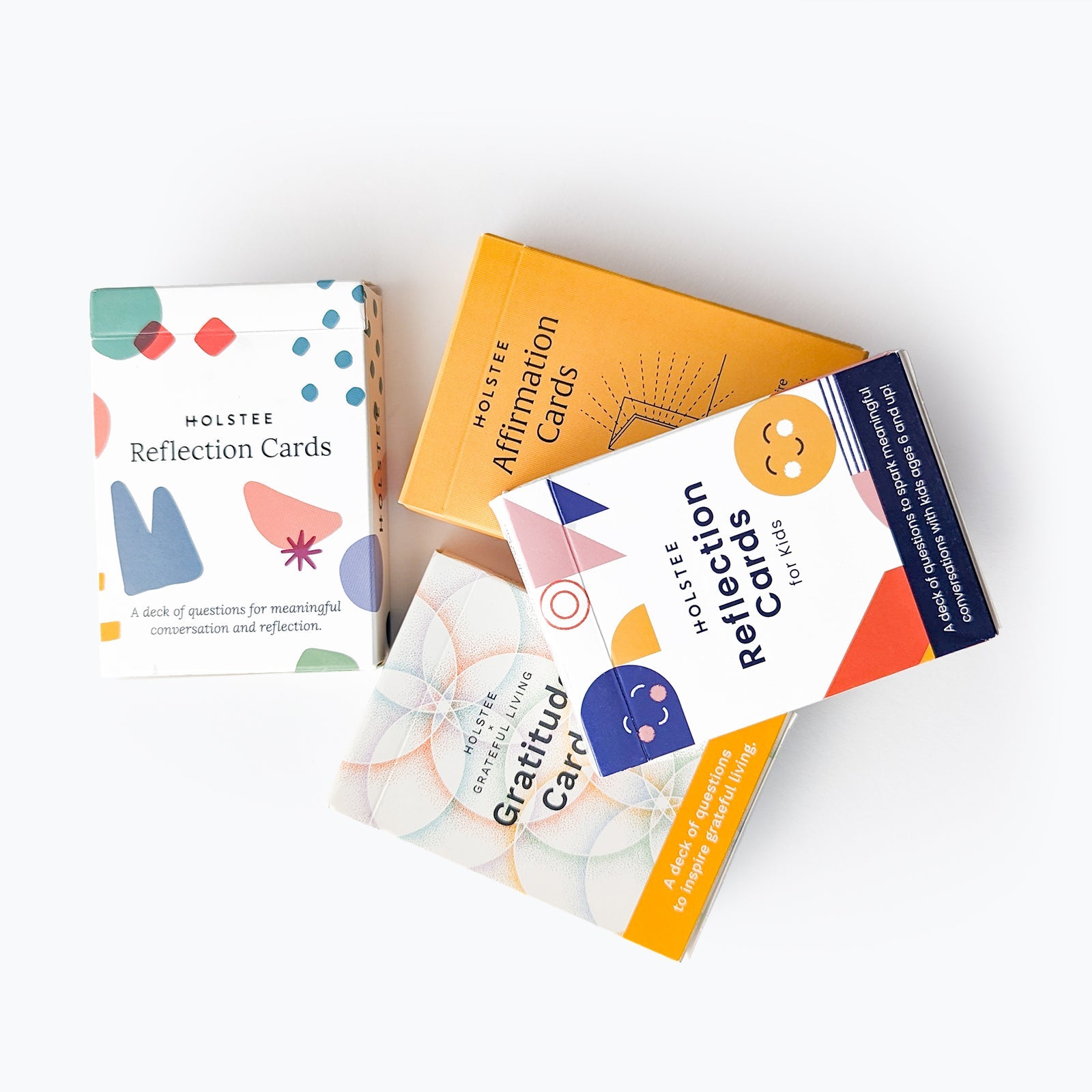
That's the spirit to make from. Not to produce a masterpiece, but to delight, to make a beautiful messy mosaic and fall a little in love with it. If you want prompts to spark it, our Reflection Cards are a good nudge toward seeing your own life with fresh eyes.
Going deeper, together
Reading about creativity is one thing. Practicing it alongside other people who are also trying is another, and it tends to stick better.
Creativity is one of twelve themes in The Flourishing Life, our year-long Holstee membership, alongside Intention, Kinship, Gratitude, and the rest. Over a year the community moves through all twelve together, and you can join any time and focus on whatever you need most right now. Each theme brings a small curriculum, fellow members working through it alongside you, and live conversations to make it real. It's not for everyone, but if you've read this far, it might be for you.
Frequently asked questions
What is creativity?
Creativity is the capacity to bring something into being that wasn't there before, whether an idea, a solution, a work of art, or a new way of seeing a familiar problem. It's a basic human ability, not a rare talent reserved for artists, and it shows up throughout everyday life.
Am I a creative person, or are some people just born with it?
Creativity is far more a practice than an inborn gift. Research on the growth mindset shows that ability develops through effort and experimentation, not fixed talent. Most people who believe they "aren't creative" simply absorbed that message early; the capacity is still there, waiting to be exercised.
How do I overcome creative block?
Several approaches help: generate lots of ideas without judging them, step away to let the problem incubate, look at it with fresh eyes ("vuja de"), and take the smallest possible next step rather than waiting for inspiration. Naming the resistance you feel, instead of fighting it, often loosens its grip.
Do constraints help or hurt creativity?
Constraints usually help. A blank page with infinite options tends to cause paralysis, while a limit, a deadline, a word count, a single color, focuses the mind and sparks invention. Dr. Seuss wrote Green Eggs and Ham using only fifty words. The right constraint is often the doorway into the work rather than a barrier.
What is a flow state and how do I reach it?
Flow, a term from psychologist Mihaly Csikszentmihalyi, is a state of complete absorption in an activity where you lose track of time. It tends to arise when the challenge of a task is well matched to your skill level. You can encourage it by removing distractions, choosing work that stretches you appropriately, and protecting uninterrupted time to focus.
What is creative resistance?
Creative resistance, a concept from Steven Pressfield's The War of Art, is the internal force of procrastination, doubt, and fear that rises up when we try to make something. Pressfield argues it's actually a useful signal: the more resistance you feel toward a project, the more it usually matters. The remedy is to show up consistently and take small steps anyway.
Michael Radparvar
Co-Founder, Holstee